If your mailbox and TV breaks have been flooded with campaign ads lately, you're not imagining it. Maryland voters head to the polls this November for a midterm election that will decide the governor's office, every seat in the General Assembly, all eight U.S. House seats, and county executive races across the state.
No matter where you fall politically, this is a bigger ballot than most people realize, and several of the races on it have a direct connection to housing policy, property taxes, zoning, permitting, and how easy or difficult it is to build new homes in your county.
You don't need to follow politics closely to feel the effects. Many of the policies that have the greatest impact on Maryland homeowners are determined at the state and local level.
This isn't about telling you how to vote. It's about understanding what's actually on the ballot in Maryland this year, how election season can affect the housing market, and what buyers and sellers can do to stay grounded regardless of the outcome.
What's Actually on the Ballot in Maryland This Fall?
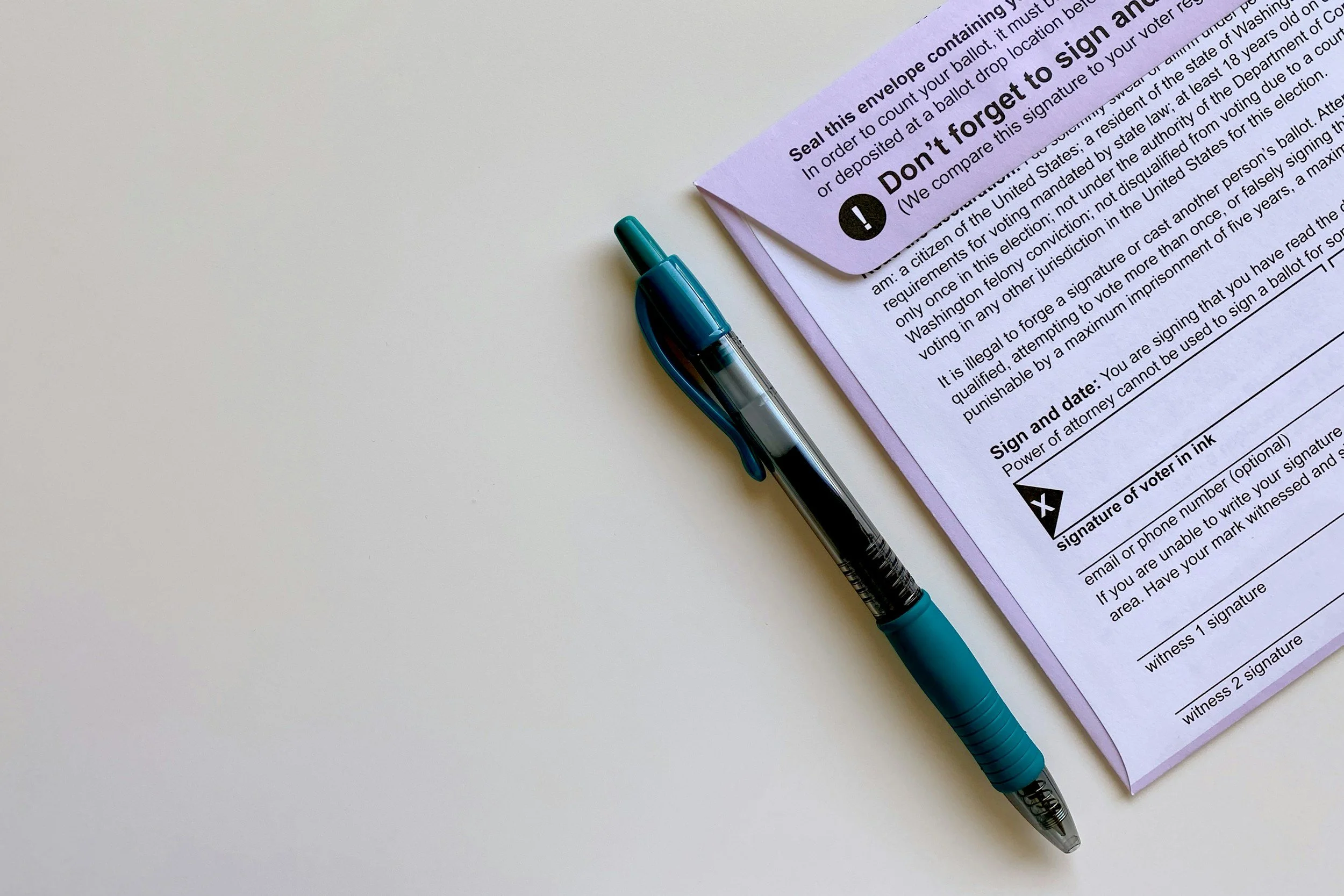
Maryland's 2026 election is a significant one.
Voters will decide the Governor and Lieutenant Governor, every seat in the Maryland House of Delegates and State Senate, all eight of Maryland's U.S. House seats, and county executive and county council races in many parts of the state.
There is no U.S. Senate race in Maryland this year.
From a real estate perspective, some of the races that receive less national attention may actually have the greatest impact on homeowners. The governor, state legislators, county executives, and county council members can all influence policies involving property taxes, zoning, development, permitting, and housing programs.
Do Elections Really Affect Home Prices?
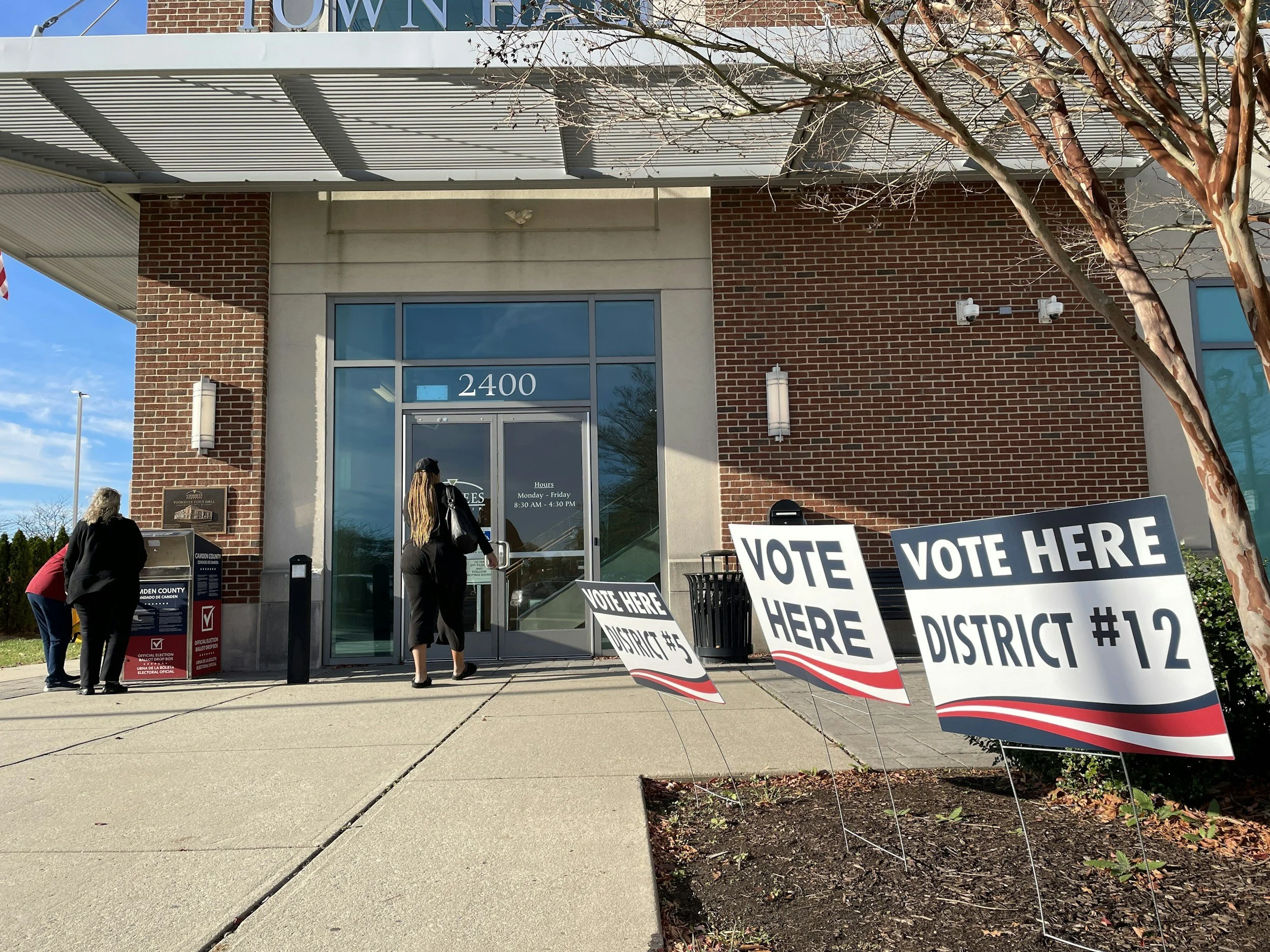
Election years can create uncertainty, and uncertainty can sometimes cause buyers and sellers to hesitate.
Someone may decide to wait until after Election Day to list their home. A buyer might wonder whether a change in leadership will affect the economy or housing market. Investors may wait for more clarity about future policies.
Historically, however, elections themselves have tended to create short-term hesitation rather than lasting changes in home values.
Interest rates, housing inventory, affordability, employment, and local economic conditions generally have a much greater impact on real estate than the outcome of a single election.
Once an election is decided and some of the uncertainty disappears, buyers and sellers often return their attention to the fundamentals of the market.
If you're considering waiting until "after the election" to buy or sell, it's worth asking what you're actually waiting to change. Your finances, mortgage rates, available inventory, and personal timeline may be much more important to your decision.
Why State and Local Elections Matter So Much for Housing
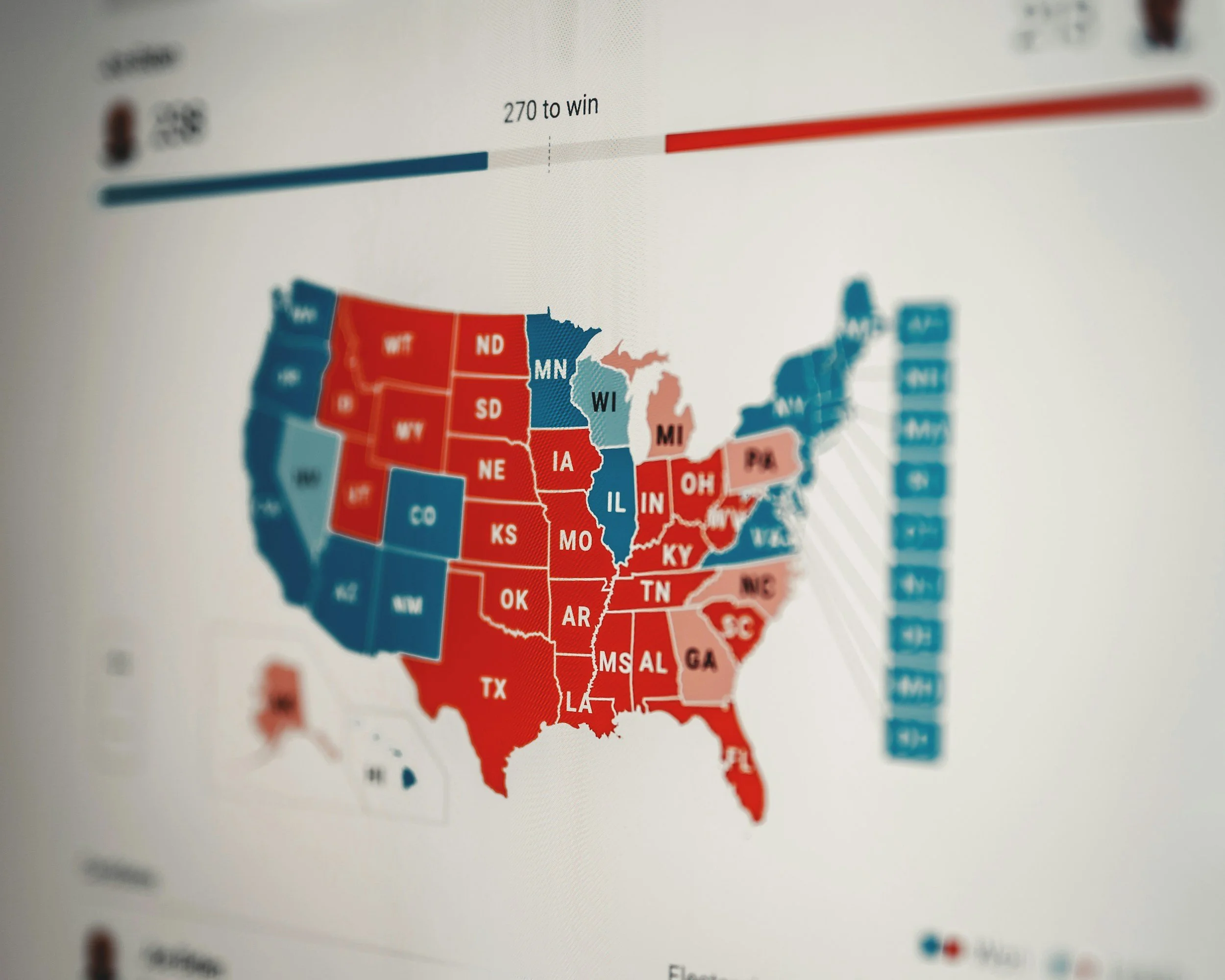
National politics may dominate the headlines, but many of the rules governing Maryland housing are determined much closer to home.
The Maryland General Assembly can influence statewide housing policies, including landlord-tenant laws, housing programs, transfer and recordation taxes, and regulations affecting development.
County executives and county councils have significant influence over zoning, permitting, development requirements, impact fees, infrastructure, and decisions about where and how new housing can be built.
Those decisions can ultimately influence housing supply, affordability, development, and how communities change over time.
Even decisions that aren't specifically labeled as "housing policy" can affect real estate. Investments in schools, transportation, roads, and other infrastructure can influence where people want to live and how communities develop.
The Housing Policy Debates to Watch
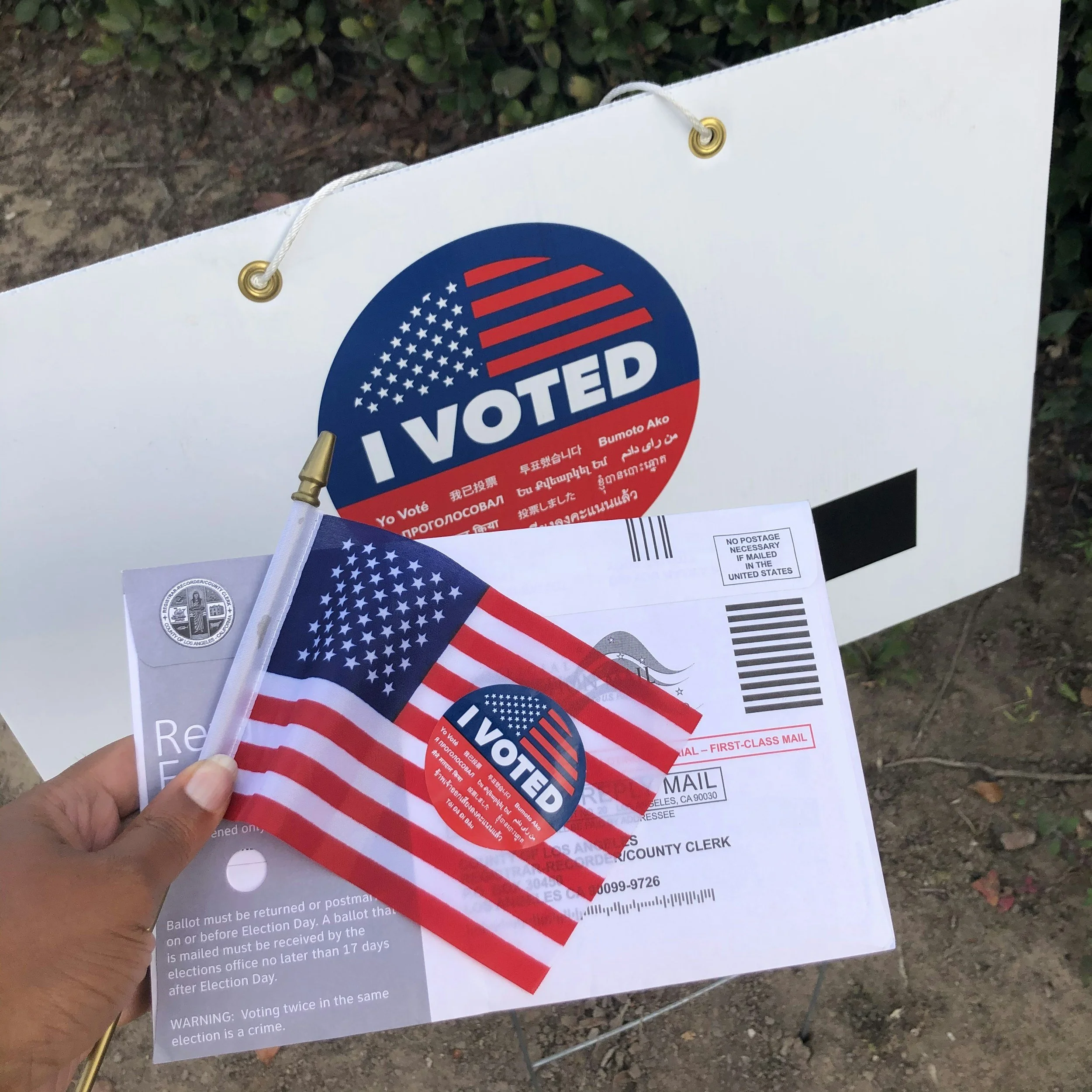
Several major housing issues are likely to remain part of Maryland's political conversation this election cycle.
One is zoning reform and housing supply. Supporters of zoning reform often argue that allowing more townhomes, duplexes, accessory dwelling units, and other types of housing can help address affordability and inventory shortages. Others are concerned about increased density putting additional pressure on schools, roads, infrastructure, and the character of established neighborhoods.
Another issue is rent stabilization and landlord-tenant policy. Tenant advocates may support stronger protections designed to improve housing stability and affordability, while landlords and real estate investors may be concerned that overly restrictive policies could discourage investment or new rental construction.
Property taxes, transfer taxes, and recordation taxes are also important issues for homeowners and prospective buyers. Changes to these costs can affect both the expense of owning property and the amount of cash needed to complete a transaction.
State-supported homebuyer assistance is another area worth watching. Programs designed to help first-time buyers with down payments and closing costs depend in part on state funding and policy priorities.
These aren't necessarily debates with one simple answer. They involve real trade-offs between affordability, housing supply, neighborhood density, infrastructure, taxation, local control, and investment.
Why County Executive and County Council Races Deserve Attention
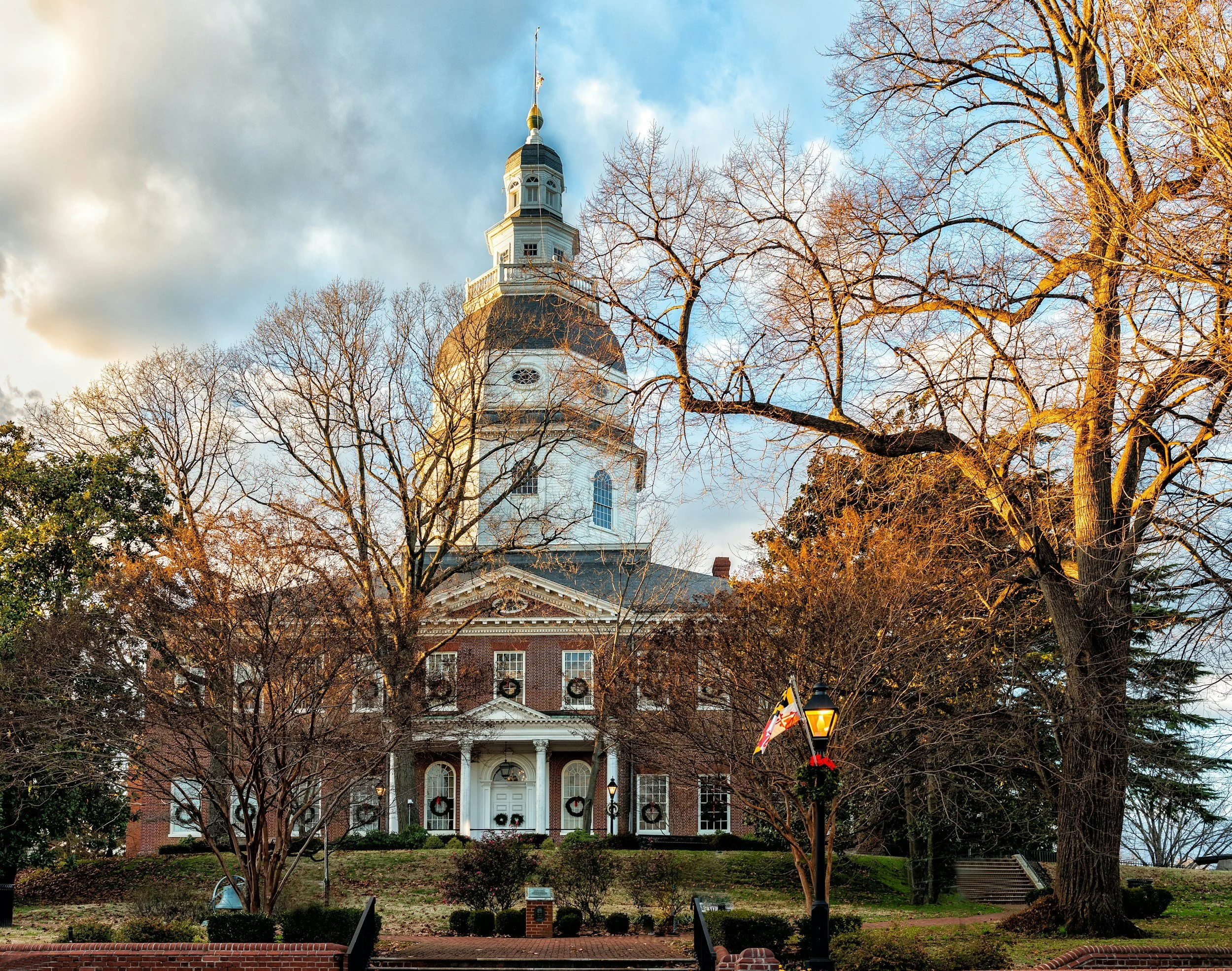
If you're particularly interested in how an election could affect real estate, your county races are worth watching closely.
County leadership can influence permitting timelines, zoning and rezoning decisions, development requirements, impact fees, roads, transportation, schools, and infrastructure.
These decisions can help determine what gets built, where it gets built, how quickly new housing can reach the market, and how communities develop over the next several years.
Montgomery County, Prince George's County, Anne Arundel County, and Baltimore County are among the Maryland counties electing county executives this cycle.
For someone purchasing a home they expect to own for 10 or 20 years — or an investor considering the long-term potential of an area — those local decisions can be particularly important.
What Should Buyers Do During Election Season?

If you're actively searching for a home this fall, try not to let political headlines replace your personal financial plan.
There probably won't be a magical moment after Election Day when everything about the housing market suddenly becomes certain.
Instead, focus on your financial readiness, mortgage options, monthly payment, available inventory, how long you plan to own the home, and whether you've found a property that meets your needs.
Buyers should also pay attention to what's happening within the specific county and community where they're considering purchasing. Local zoning, development, schools, infrastructure, and taxes may have a much greater impact on their experience as homeowners than national political headlines.
And remember that fall and early winter can naturally bring less buyer competition. Automatically sitting on the sidelines because it's an election year could mean overlooking an opportunity.
What Should Sellers Do During Election Season?
Sellers should also focus on their actual market rather than the national news cycle.
People continue to move during election years. Jobs, growing families, downsizing, relocation, marriage, divorce, and other life changes don't disappear because an election is approaching.
Instead of trying to predict how voters or elections will affect the housing market, sellers should pay attention to pricing, condition, inventory, competition, showing activity, and buyer demand in their immediate area.
If uncertainty does temporarily make some buyers more cautious, strategic pricing and strong marketing become even more important.
The Bottom Line
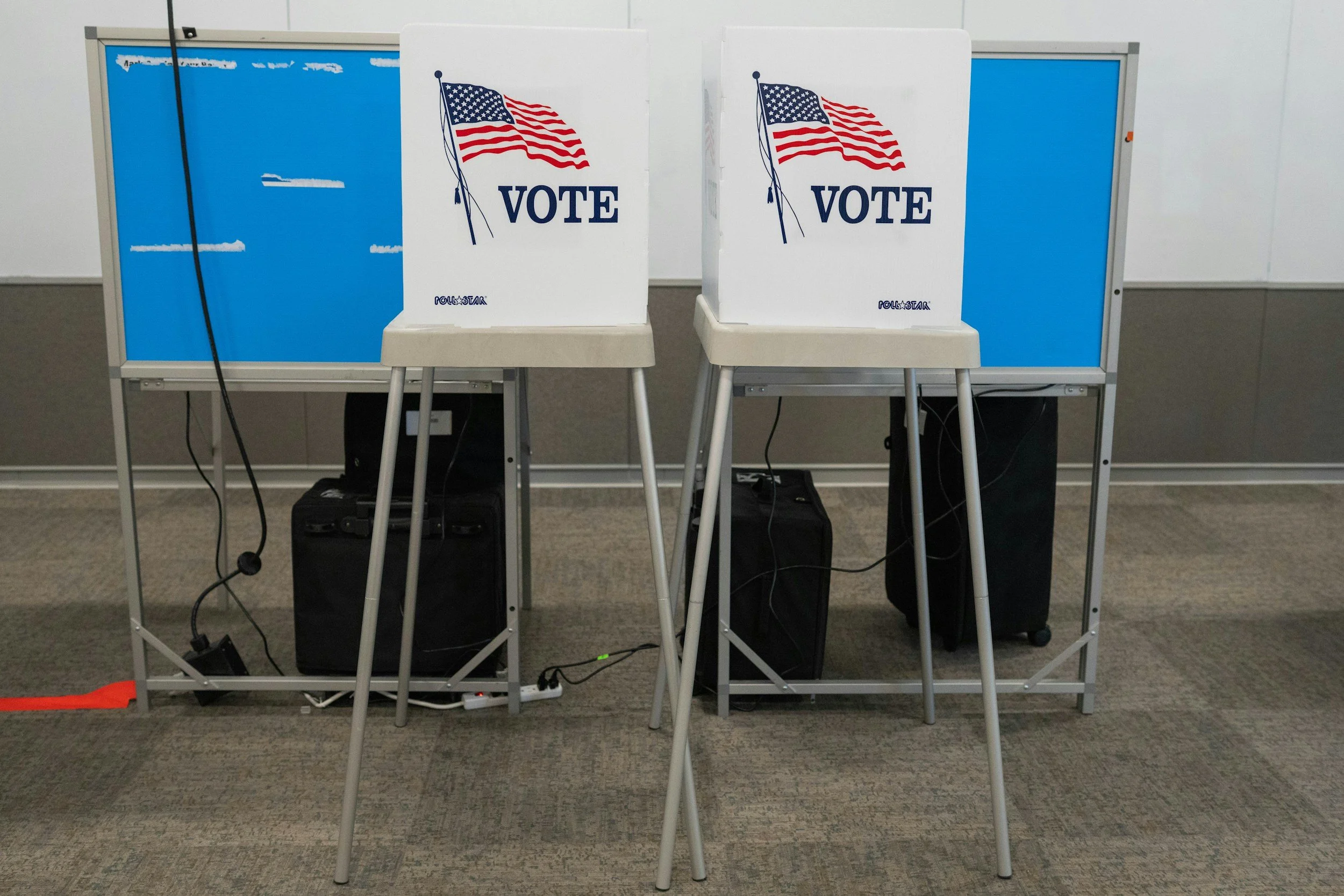
The 2026 Maryland election matters, and some of the officials elected this November will make decisions that influence housing for years.
But that's very different from saying the election should determine whether you buy or sell a home this fall.
For most people making a move right now, interest rates, inventory, affordability, personal finances, and conditions within their specific neighborhood will have a much greater immediate impact on their transaction.
The key is understanding which policies actually affect housing, paying attention to what's happening locally, and separating meaningful market information from election-season noise.
If you're considering buying, selling, or investing in Maryland and aren't sure what today's market means for your plans, Frank Oliver Collective at eXp Realty is here to help. We'll help you look at the numbers, understand what's happening in your specific market, and make a decision based on your goals — not the headlines.
Let us show you how simple it can be to love where you live.