
The votes from November 3 are still being finalized in a few places, but the big picture is clear. Democrats won control of both the U.S. House and Senate, President Trump remains in the White House, and Maryland voters returned Gov. Wes Moore for a second term while electing new county executives in several of the state's largest jurisdictions. If you're wondering what the 2026 midterm election results mean for the housing market, you're not alone. Clients have been asking us all week.
Back in September, we looked at what was on the ballot and why state and county races tend to matter more for housing than federal ones. Now that the results are in, it's time for the follow-up.
This post sticks to what changed, what probably won't, and what Maryland buyers, sellers, and investors should watch next. We're not here to cheer or criticize any party. We're here to translate election results into real estate terms.
What Happened on November 3: The Results That Matter for Housing

Here are the outcomes most relevant to Maryland real estate.
At the Federal Level
Congress changed hands. Democrats will take control of both the House and the Senate when the new Congress is sworn in this January.
The White House did not. President Trump keeps executive authority, including leadership of the agencies that oversee housing finance, such as HUD, the FHFA, and the CFPB.
The result is divided government. Any new housing law will need support from both parties and a presidential signature.
In Maryland
Governor: Wes Moore won a second four-year term.
Baltimore County: Julian Jones, a longtime County Council member, was elected county executive. He'll be the county's first Black county executive.
Howard County: Vanessa Atterbeary won the county executive race.
Anne Arundel County: Allison Pickard won an open-seat race for county executive.
Harford County: Bob Cassilly was re-elected county executive.
Montgomery County: Will Jawando was elected county executive.
Ballot questions: Voters also decided three statewide questions, including Question 3, a congressional redistricting measure that passed according to AP projections. None of the three directly changes property taxes or housing rules.
Vote counts are still being certified, so check the Maryland State Board of Elections for final numbers.
Divided Government and Federal Housing Policy: What Could Change
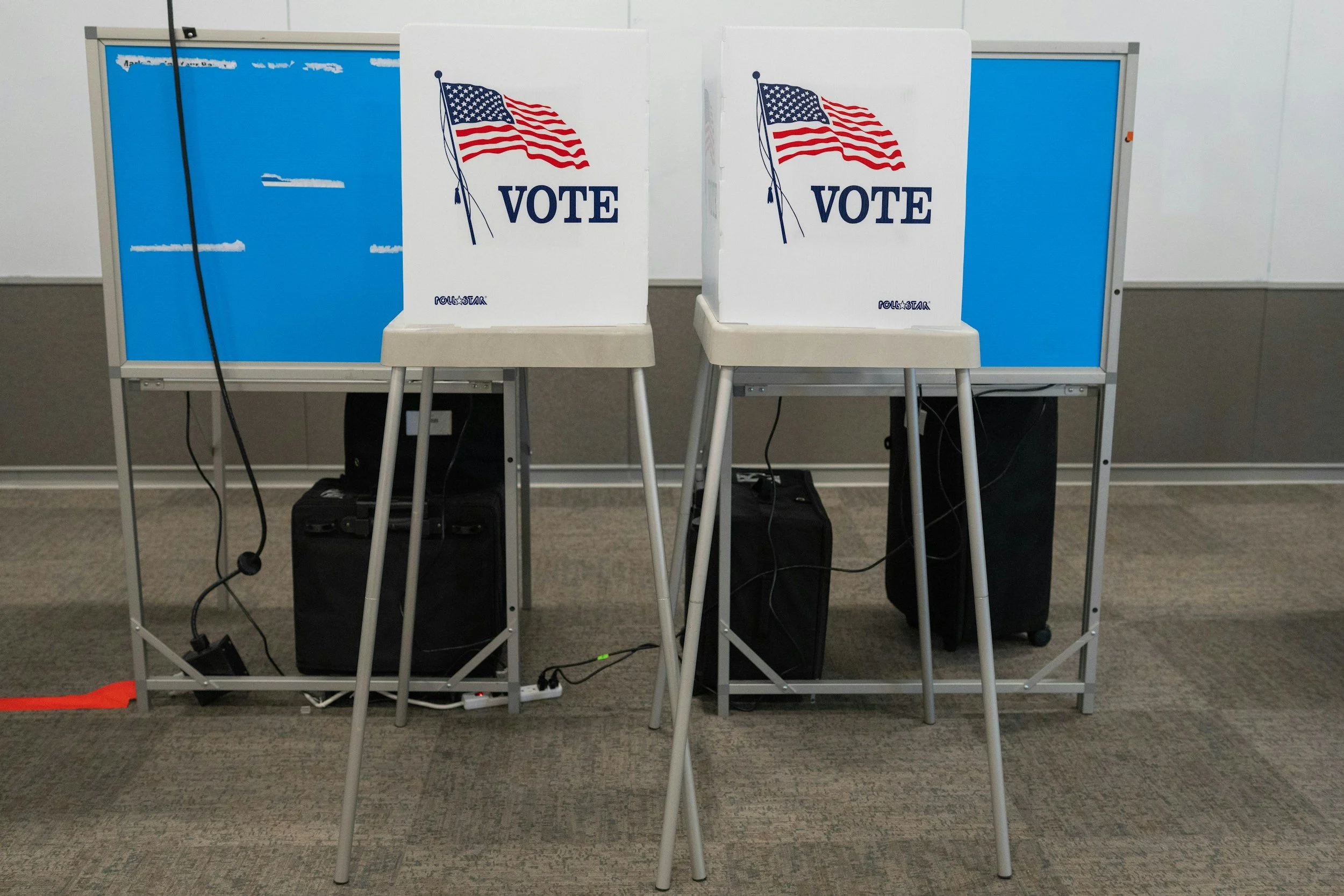
The most important thing to understand about the 2026 midterm results is that divided government usually means slower, more negotiated policy, not sudden swings. Congress now sets the agenda and controls oversight, while the White House controls how existing rules get carried out.
One Washington advisor put it simply in HousingWire: expect more hearings, tougher confirmations, and a more contested calendar, but "not an overnight rewrite of the rules."
Where There's Room for Agreement
Housing has been one of the few areas with bipartisan momentum. The 21st Century ROAD to Housing Act passed with support from both parties, and industry groups are already calling for a follow-up package. Ideas being discussed include:
Easing the capital gains "lock-in" effect that discourages long-time owners from selling.
The Neighborhood Homes Investment Act, a tax credit aimed at building and rehabbing homes in distressed neighborhoods.
Lower closing costs, through changes like reducing FHA's annual mortgage insurance premium and simplifying credit report requirements, both proposed by the Mortgage Bankers Association.
The National Association of REALTORS® said its priorities, including more supply, affordability, and access to homeownership, stay the same regardless of which party holds Congress.
What to Watch
Agency leadership does not change with Congress. Nominations, such as the pending pick to lead the CFPB, may face a harder path. A likely debt ceiling debate in 2027 could also create headlines that move the bond market. For buyers and sellers, that means watching for specific bills and rule changes rather than reacting to campaign promises.
Will the Midterm Results Move Mortgage Rates?

This is the question we hear most, and the short answer is: not directly, and not much on their own.
Mortgage rates follow the bond market, especially the 10-year Treasury yield, which responds to inflation, economic growth, and federal borrowing. Elections matter only to the extent they change those things. As of October 29, 2026, the average 30-year fixed rate was 7.24% according to Freddie Mac, down from 7.40% two weeks earlier.
A few factors economists are watching after the election:
Inflation and energy prices. A Realtor.com senior economist noted that the conflict in the Middle East has been adding to inflation pressure, and that any resolution improving oil supply could help ease rates. How the new Congress affects that is uncertain.
Federal fiscal policy. Debt ceiling fights and deficit concerns can push Treasury yields, and mortgage rates, higher.
Expectations are cautious. Bankrate reported this week that housing economists no longer expect rates to drop below 6% in the near term, and even sustained rates below 7% would be a stretch.
History is also useful here. Election years tend to create short-term hesitation, with some buyers and sellers waiting to see results, but they rarely cause lasting changes in home prices. With the election behind us, some of that wait-and-see uncertainty is gone, which can bring sidelined buyers and sellers back.
Maryland After the Midterms: A Second Moore Term and the Housing Supply Push
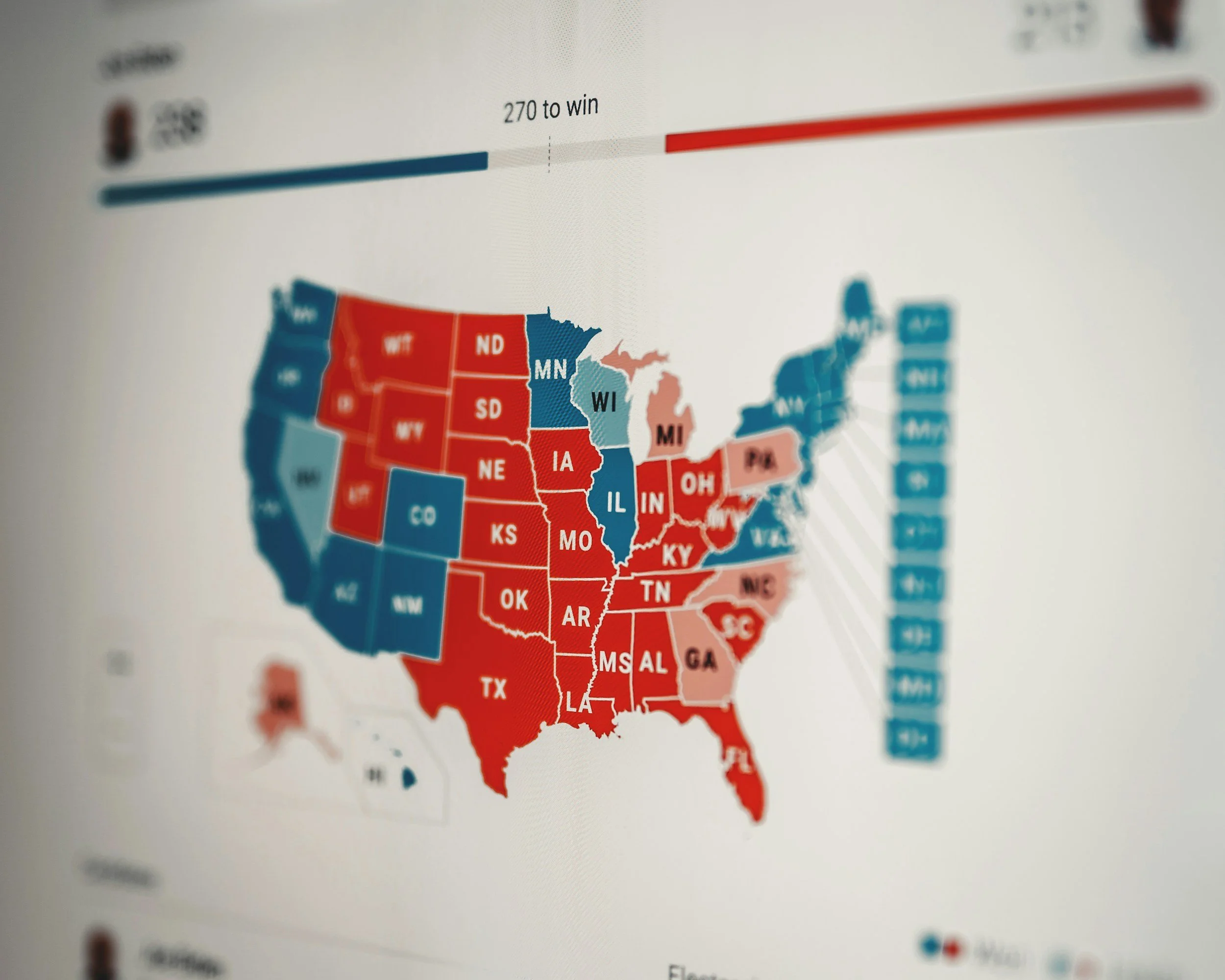
At the state level, the 2026 midterm results mean continuity. Gov. Moore's second term keeps the same administration in place on housing policy, which has focused on increasing supply and helping renters become owners.
Recent examples include:
Executive orders signed October 1, 2026, aimed at removing administrative hurdles and speeding up permit approvals for new housing developments.
Legislation signed in May 2026 focused on expanding housing supply to bring down costs.
Continued support for the Maryland Mortgage Program, which offers down payment and closing cost help to eligible buyers.
The biggest state-level question is the budget. Local reporting this week noted that Maryland faces tough budget choices heading into the 2027 legislative session. Decisions about fees, tax policy, and funding for housing programs will be worth watching when the General Assembly convenes in January.
For homeowners, Maryland property taxes are set mostly at the county level, while the state controls the transfer tax and recordation rules that show up at closing. No statewide ballot question this year changed those rules.
Why Your New County Executive Matters for Housing

If there's one takeaway from our pre-election post that still holds, it's this: county government shapes the housing you can buy more directly than Congress does. County executives influence zoning, permitting speed, development approvals, school capacity planning, and local property tax rates.
That makes this year's results especially important across our service area:
Baltimore County: Julian Jones takes over after years on the County Council, where he supported zoning changes to encourage investment in Owings Mills and major projects in Towson, including Towson Row. Local coverage this week described his approach as focused on "responsible growth" while addressing community concerns about development.
Howard County and Anne Arundel County: New executives in both counties mean new administrations will weigh in on development, school capacity, and infrastructure, issues that directly affect supply in high-demand areas like Columbia, Ellicott City, Annapolis, and Pasadena.
Montgomery County: A new executive takes office in a county already working through federal workforce changes.
Harford County: Bob Cassilly's re-election means continuity for buyers and sellers in Bel Air, Fallston, and Abingdon.
Policy shifts at the county level take time. Zoning changes and comprehensive plans go through hearings and council votes, often over a year or more. But if you're planning to buy, sell, or build in the next few years, it's worth following your county's early priorities.
What the Midterm Results Mean for Buyers, Sellers, and Investors

So what should you actually do with this information? Here's how we'd think about it.
Buyers: Don't wait for Washington. Federal housing legislation, if it comes, will take months to pass and longer to implement. Today's market already offers more inventory than a year ago and more room to negotiate on price and seller credits. If you're financially ready, the post-election period can be a good time to shop before spring competition returns.
Sellers: The election is no longer a reason for buyers to hold back. Some buyers who paused before November 3 may return to the market. Price your home based on current local data, not national headlines, and expect buyers to ask about concessions while rates stay above 7%.
Investors: Watch county-level zoning and permitting changes, which can open up opportunities in redevelopment areas. Also watch for any federal tax changes affecting capital gains or rehab credits, and for state rules on landlord-tenant issues during the 2027 legislative session.
Everyone: Separate the headlines from the details. A campaign promise is not a law, and a new law is not a new rule until agencies carry it out.
Frequently Asked Questions About the 2026 Midterm Election Results and the Housing Market
How do the 2026 midterm results affect the housing market?
The 2026 midterm results created divided government, with Democrats controlling Congress and President Trump in the White House. That usually means slower, negotiated housing policy rather than sudden changes. For most buyers and sellers, local inventory, mortgage rates, and county-level decisions will matter more in the near term than the federal results.
Will mortgage rates go down after the midterms?
Elections do not directly set mortgage rates. Rates follow the bond market, which reacts to inflation, economic growth, and federal borrowing. The average 30-year fixed rate was 7.24% in late October 2026. Economists remain cautious, and any change will depend more on inflation and fiscal policy than on the election itself.
Do home prices drop after an election?
Historically, elections cause short-term hesitation among some buyers and sellers but rarely cause lasting changes in home prices. Prices depend on local supply, demand, and borrowing costs. In Maryland, prices have been roughly flat year over year in 2026, while inventory has grown, giving buyers more choices and negotiating room.
Who won the Maryland governor race in 2026?
Gov. Wes Moore won re-election to a second four-year term in the November 3, 2026 general election. For housing, his re-election means continuity, including recent efforts to speed up permitting for new housing and support for homebuyer assistance through the Maryland Mortgage Program.
Who are the new county executives in the Baltimore area?
Julian Jones was elected Baltimore County executive, Vanessa Atterbeary won in Howard County, and Allison Pickard won in Anne Arundel County. Bob Cassilly was re-elected in Harford County. County executives shape zoning, permitting, and local property tax decisions, so these races can affect housing supply over the next several years.
Will the new Congress pass new housing laws?
It's possible. Housing has had bipartisan support recently, including the ROAD to Housing Act, and industry groups are pushing for a follow-up package. Any new law would need support from both parties and the president's signature, so changes are likely to be gradual and negotiated rather than sweeping.
Should I wait to buy a house until after new policies take effect?
Most buyers shouldn't wait for federal policy changes, which can take a year or more to pass and implement. If you're financially ready and find the right home, today's market offers more inventory and negotiating room than last year. A local agent and lender can help you weigh current conditions against your timeline.
Did Maryland voters approve any housing ballot questions in 2026?
None of Maryland's three statewide ballot questions in 2026 directly changed property taxes or housing rules. The most closely watched, Question 3, dealt with congressional redistricting. Local property tax and zoning decisions will come from county governments, several of which elected new executives this year.
Why Work With Michael Frank at Frank Oliver Collective at eXp Realty?
Headlines change every week. What doesn't change is the value of having a local team that knows how policy, rates, and neighborhood conditions actually affect your home's value and your buying power.
Michael Frank, GRI®, leads Frank Oliver Collective at eXp Realty with more than 15 years of real estate experience. Under his leadership, the team has helped 500+ families buy and sell homes across Maryland, closes 100+ transactions per year, and has earned 300+ verified client reviews across Google, Zillow, Realtor.com, and FastExpert.
Michael Frank at Frank Oliver Collective at eXp Realty brings together a full team, including REALTORS® Christian Olson, Jerrod Pinkett, Marissa Mohammed, Donnell Jenkins, Brutus Camara-Coker, Terren Knox, and Nicholas Ertel, supported by a dedicated transaction coordinator and marketing team. The team works with first-time buyers, move-up and luxury buyers, veterans and military families, investors, and rightsizing homeowners.
Service areas include Baltimore City and Baltimore, Harford, Anne Arundel, Howard, Prince George's, Montgomery, Carroll, and Frederick counties.
Have questions about what the election means for your next move? Reach out for a no-pressure conversation.
Website: frankoliverco.com
Email: liv@frankoliverco.com
Phone: (443) 222-9612
Conclusion: Watch the Details, Not the Headlines
The 2026 midterm election results reshaped Washington, but they won't reshape the housing market overnight. Divided government points to gradual, negotiated federal housing policy. Mortgage rates will keep following inflation and the bond market more than the election. In Maryland, a second Moore term brings continuity, while new county executives in Baltimore, Howard, Anne Arundel, and Montgomery counties may matter most for local supply in the years ahead.
If you're trying to figure out what the election means for your plans to buy, sell, or invest, Michael Frank at Frank Oliver Collective at eXp Realty is here to help. Visit frankoliverco.com or email liv@frankoliverco.com to start the conversation.