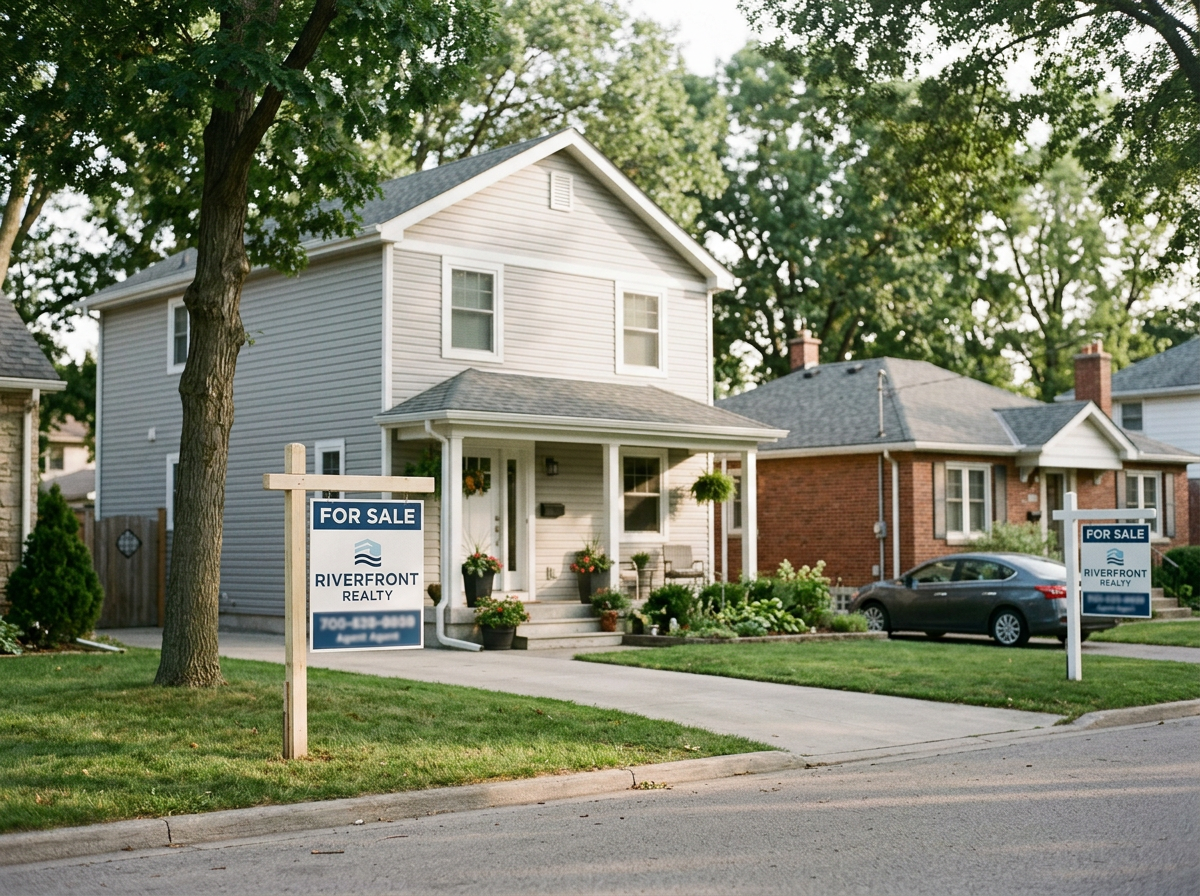
Maryland home shoppers have noticed something odd this year: the same "For Sale" signs keep reappearing, sometimes with a new agent, sometimes with a lower price, sometimes with no sign at all after quietly disappearing from the listing sites. That's not a coincidence. Expired and cancelled listings — homes that were put on the market and then pulled without ever selling — have climbed to some of the highest levels seen in years. If you're a seller wondering why your home isn't moving, a buyer wondering whether that "off market" house might come back around, or just someone trying to make sense of a housing market that feels stalled, this is the story behind the headlines. Here's what's actually driving the rise in expired and cancelled listings in 2026, what it says about where the market is headed, and what buyers and sellers in Maryland can do about it.

What "Expired" and "Cancelled" Actually Mean
Before digging into the why, it helps to know the difference between these two listing statuses, since both are contributing to this year's numbers.
An expired listing is a home whose listing agreement ran out — typically after 60, 90, or 180 days — without an accepted offer. The seller didn't necessarily give up on selling; the contract with that agent simply reached its end date. A cancelled listing is one the seller pulled off the market voluntarily before the agreement expired, often because showings dried up, feedback was discouraging, or life circumstances changed.
Both outcomes point to the same underlying problem: a home that sat on the market without generating a serious offer. Agents and appraisers often lump them together because they tell the same story — a mismatch between what a seller wanted and what buyers were willing to pay. Some of these homes relist within weeks, sometimes with the same agent and a corrected price. Others sit off-market for months while the owner waits for conditions to shift in their favor. A smaller share are pulled off permanently, especially in cases where a life event (a job that didn't materialize, a divorce that stalled, a move that fell through) is really what changed, not the market.
Tracking these two categories together gives one of the clearest early-warning signs of a market losing momentum, well before median price data catches up.

Why So Many Listings Are Failing to Sell in 2026
Several forces are converging at once, and most sellers underestimate how much each one matters until their home has already sat for 90 days.
Pricing anchored to an old market. Many sellers are still mentally anchored to 2021–2022 pricing, when homes routinely sold above asking within days. That market is gone. Homes priced off last year's comps — or off a neighbor's sale from two years ago — are landing well above what today's buyers are willing to pay, and buyers now have the leverage and patience to simply wait them out.
Mortgage rates that reset buyer math. Elevated mortgage rates compared to the ultra-low-rate years have meaningfully reduced how much home the same monthly payment buys. A buyer who could afford a given price two or three years ago may now be priced out of that same home, shrinking the pool of qualified buyers for listings at the top of a neighborhood's range.
More inventory, less urgency. In much of the country, and in many Maryland submarkets, active inventory has been building back up after several tight years. When buyers have more homes to choose from, they no longer feel pressure to stretch on an overpriced or dated listing — they simply move to the next one.
Buyer fatigue and selectivity. After years of a brutally competitive market, today's buyers are more skeptical and more willing to walk away. Homes with deferred maintenance, awkward layouts, or busy roads that might have sold anyway in 2021 are now sitting, because buyers finally have room to be picky again.
Seller concessions still catching up. Even sellers who are willing to negotiate are often behind the curve on how much buyers now expect — closing cost credits, rate buydowns, or repair credits that weren't necessary a few years ago are increasingly the price of admission to get a deal done.
What a Rising Expired-Listing Rate Signals About the Market
A wave of expired and cancelled listings isn't just a headline statistic — it's a leading indicator that a market is rebalancing power from sellers back toward buyers.
- It signals a pricing gap. When a large share of listings expire rather than sell, it usually means sellers as a group are pricing ahead of where buyers actually are, not that buyers have disappeared entirely.
- It signals rising days on market. Expired listings are the tail end of a trend that starts with homes simply taking longer to sell. Watching days-on-market trends in your specific ZIP code is often a better early signal than watching national headlines.
- It signals more room to negotiate. Markets with elevated expired-listing rates tend to also see more price reductions and larger gaps between original list price and final sale price — good news for prepared buyers.
- It does not necessarily signal falling prices. An expired listing means a specific home didn't sell at a specific price with a specific agent — it doesn't automatically mean values are dropping. Well-priced, well-marketed homes in the same neighborhood are often still selling in a reasonable timeframe.
For sellers, the healthiest way to read this data is as a warning to price and prepare more conservatively than they might have a few years ago — not as a sign the market has collapsed.

The Maryland and Baltimore Picture
Maryland's market isn't immune to these national dynamics, but it isn't uniform either — conditions vary sharply by county and price point.
In and around Baltimore City and County, more affordably priced, move-in-ready homes are still moving at a reasonable pace, while homes needing work or priced at the upper end of a block are the ones most likely to sit and eventually expire. In the DC-adjacent suburbs — Montgomery and Prince George's counties — softer federal employment conditions over the past year have added extra caution to an already rate-sensitive buyer pool, which shows up in slower-moving, higher-priced listings. Anne Arundel and Harford counties, with their proximity to Fort Meade, NSA, and Aberdeen Proving Ground, tend to see steadier demand thanks to a more insulated employment base, though even here, overpriced listings are sitting longer than they would have two years ago.
Across the state, the common thread is that homes priced realistically for late-2026 conditions — not for the market of a few years ago — continue to attract offers, while homes clinging to outdated price expectations are the ones showing up in the expired and cancelled columns.
How Sellers Can Avoid Becoming a Statistic
An expired listing isn't a life sentence, but it does make the next attempt harder — buyers and agents can see how long a home has been on and off the market, and a stale listing can carry a stigma even after a price cut. Sellers who want to avoid that outcome should:
- Price to today's data, not last year's. Use recent, comparable closed sales from the last 60–90 days, not the highest sale on the street from two years ago.
- Get real, unfiltered feedback early. If a home gets showings but no offers in the first two to three weeks, that's a pricing or presentation problem worth addressing immediately rather than waiting it out.
- Invest in presentation before day one. Professional photography, decluttering, and addressing obvious deferred maintenance up front prevents the "stale listing" spiral that leads to expiration.
- Be willing to negotiate concessions. Rate buydowns, closing cost credits, and minor repair credits are increasingly the norm, not the exception, and can be the difference between an offer and a showing that goes nowhere.
- Avoid overexposing the listing. Multiple relistings at the same or higher price, or pulling on and off the market repeatedly, can make buyers assume something is wrong with the home rather than the price.
The sellers avoiding expiration in this market are the ones treating the first two weeks of a listing as the most important — not the ones hoping the right buyer eventually shows up regardless of price.
The Opportunity for Buyers in a Market Full of Expired Listings
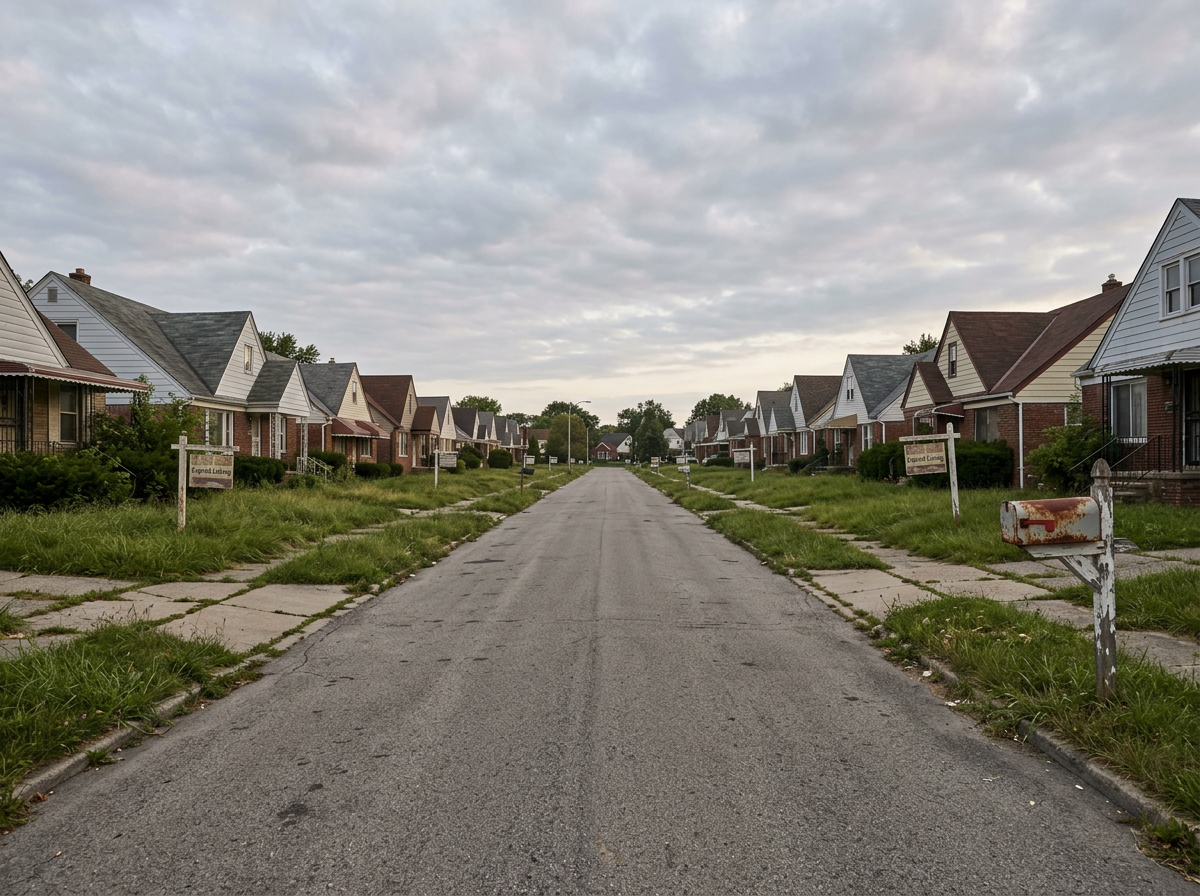
For buyers, a rise in expired and cancelled listings is one of the more encouraging market signals in years. It means less competition, more negotiating leverage, and access to motivated sellers who may be more realistic the second time around.
Buyers can turn this trend into an advantage by watching for homes that recently expired or were withdrawn, since those sellers are often the most motivated to negotiate on price, timeline, or concessions once they relist. It's also worth asking an agent to flag "stale" listings — homes that have been on the market well beyond the typical timeframe for their price point and area — since these frequently have more room to negotiate than a fresh, well-priced new listing. Buyers should also come prepared with strong financing and a clear sense of their must-haves, because in a market with more inventory and more time, there's less reason to rush into a home that doesn't truly fit.
The trade-off is patience: expired-listing opportunities don't always resurface on a predictable timeline, so working with an agent who tracks this data closely — rather than relying only on the newest listings — makes a real difference.
Frequently Asked Questions About Expired and Cancelled Listings
What does it mean when a listing "expires"?
A listing expires when the agreement between a seller and their agent reaches its end date — usually 60 to 180 days — without the home going under contract. The home may relist immediately, sit off-market for a while, or be withdrawn from sale entirely, depending on the seller's situation.
What's the difference between an expired and a cancelled listing?
An expired listing runs out its full contract term without selling. A cancelled listing is pulled by the seller before that term ends, often due to poor showing activity or a change in circumstances. Both indicate the home didn't attract an acceptable offer.
Why are so many homes not selling in 2026?
The main drivers are overpricing relative to current buyer budgets, elevated mortgage rates that reduce buying power, rising inventory that gives buyers more options, and buyers who are more selective after years of a competitive market.
Does a high number of expired listings mean home prices are falling?
Not necessarily. It typically means specific homes were priced above what buyers in that market will pay, not that overall values are dropping. Well-priced, well-presented homes in the same area are often still selling within a normal timeframe.
How long should a home sit before a seller considers a price reduction?
Most agents recommend reassessing price or strategy after two to three weeks with showings but no offers. Waiting significantly longer often makes a home look stale to buyers, which can suppress interest even after a price cut.
Can I buy a home that recently had its listing expire?
Yes. Once a listing agreement ends, the seller is free to relist with the same or a different agent, or sell privately. Homes with a recent expired or cancelled listing are often good candidates for negotiation, since the seller has already seen the market's response once.
Is now a good time to sell in Maryland given this trend?
It can be, if the home is priced and presented for current conditions. Sellers who price realistically, prepare the home well, and are open to reasonable concessions are still closing deals; it's the overpriced or under-prepared listings that are driving the expired numbers.
Will expired listings hurt my home's future sale price?
They can create a perception issue if buyers notice a home has been listed multiple times without selling. Working with an agent to reset marketing, refresh photography, and correct pricing before relisting helps minimize that stigma.
Are certain price ranges more likely to see expired listings?
Yes. Homes at the upper end of a neighborhood's price range, homes needing significant updates, and homes competing with substantial new inventory tend to see higher expiration rates than move-in-ready homes priced in line with recent sales.
How can I find out how many listings are expiring in my area?
A local agent can pull expired and cancelled listing data alongside days-on-market and price-reduction trends for a specific ZIP code or neighborhood, which gives a far more accurate picture than national headlines alone.
Why Work With Michael Frank at Frank Oliver Collective at eXp Realty?
Navigating a market where pricing mistakes get punished quickly takes local expertise, current data, and an honest pricing conversation from day one. Michael Frank at Frank Oliver Collective at eXp Realty has spent more than 15 years helping Maryland buyers and sellers make smart, well-informed decisions in exactly these kinds of shifting conditions.
Michael leads a full-service team that has helped more than 500 families buy and sell homes across Baltimore, Harford, Anne Arundel, Howard, Prince George's, Montgomery, Carroll, and Frederick counties, closing more than 100 transactions a year. The team includes dedicated specialists across buyer representation, listing strategy, marketing, and client care — including Christian Olson, Mykala Smith, Jerrod Pinkett, Marissa Mohammed, Donnell Jenkins, Brutus Camara-Coker, and bilingual agent Andrea Soto — backed by more than 300 verified client reviews across Google, Zillow, Realtor.com, and FastExpert.
For sellers worried about becoming another expired listing, Michael Frank at Frank Oliver Collective at eXp Realty offers a data-driven pricing strategy built on current comparable sales, not outdated assumptions, along with professional marketing designed to generate serious offers in the critical first weeks on market. For buyers looking to take advantage of this shift in leverage, the team tracks expired, cancelled, and stale listings across the region to help clients find motivated sellers and negotiate with confidence.
Ready to talk pricing strategy or find your next home? Reach out to Michael Frank at Frank Oliver Collective at eXp Realty at frankoliverco.com or liv@frankoliverco.com.
Conclusion
Record numbers of expired and cancelled listings in 2026 tell a clear story: the market has shifted, and pricing a home for yesterday's conditions no longer works. For sellers, the lesson is to price realistically, prepare thoroughly, and act on feedback early rather than waiting out a market that has already moved on. For buyers, this same trend is an opening — more inventory, more negotiating room, and motivated sellers who are ready to be realistic the second time around. Whichever side of the transaction you're on, understanding why listings are expiring at record rates is the first step to making a smarter move. Michael Frank at Frank Oliver Collective at eXp Realty is ready to help you price it right, prepare it well, or find the opportunity hiding in a stale listing — reach out at frankoliverco.com or liv@frankoliverco.com to get started.