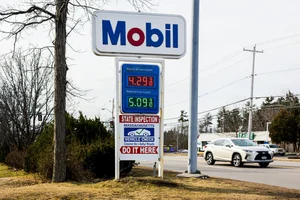
If you've been watching the news this week, you already know that inflation is back in the headlines — and this time, it matters directly to your real estate decisions. On June 10, 2026, the Bureau of Labor Statistics reported that the Consumer Price Index rose 4.2% annually in May — the highest inflation reading in three years and a sharp jump from April's 3.8% rate. For Maryland home buyers, sellers, and investors, this isn't just an economic data point. It's a signal that changes the math on your next move.
Whether you're weighing whether to buy now or wait, wondering what's happening with mortgage rates, or trying to understand why your purchasing power feels different than it did a year ago, this post breaks down exactly what this inflation surge means — and what smart Maryland buyers and sellers should do about it.
What the May 2026 CPI Report Actually Says
The Consumer Price Index for May 2026 came in at 4.2% on an annual basis — the highest level since April 2023. The month-over-month reading was 0.5%, matching Wall Street forecasts and representing a slight deceleration from April's 0.6% monthly gain.
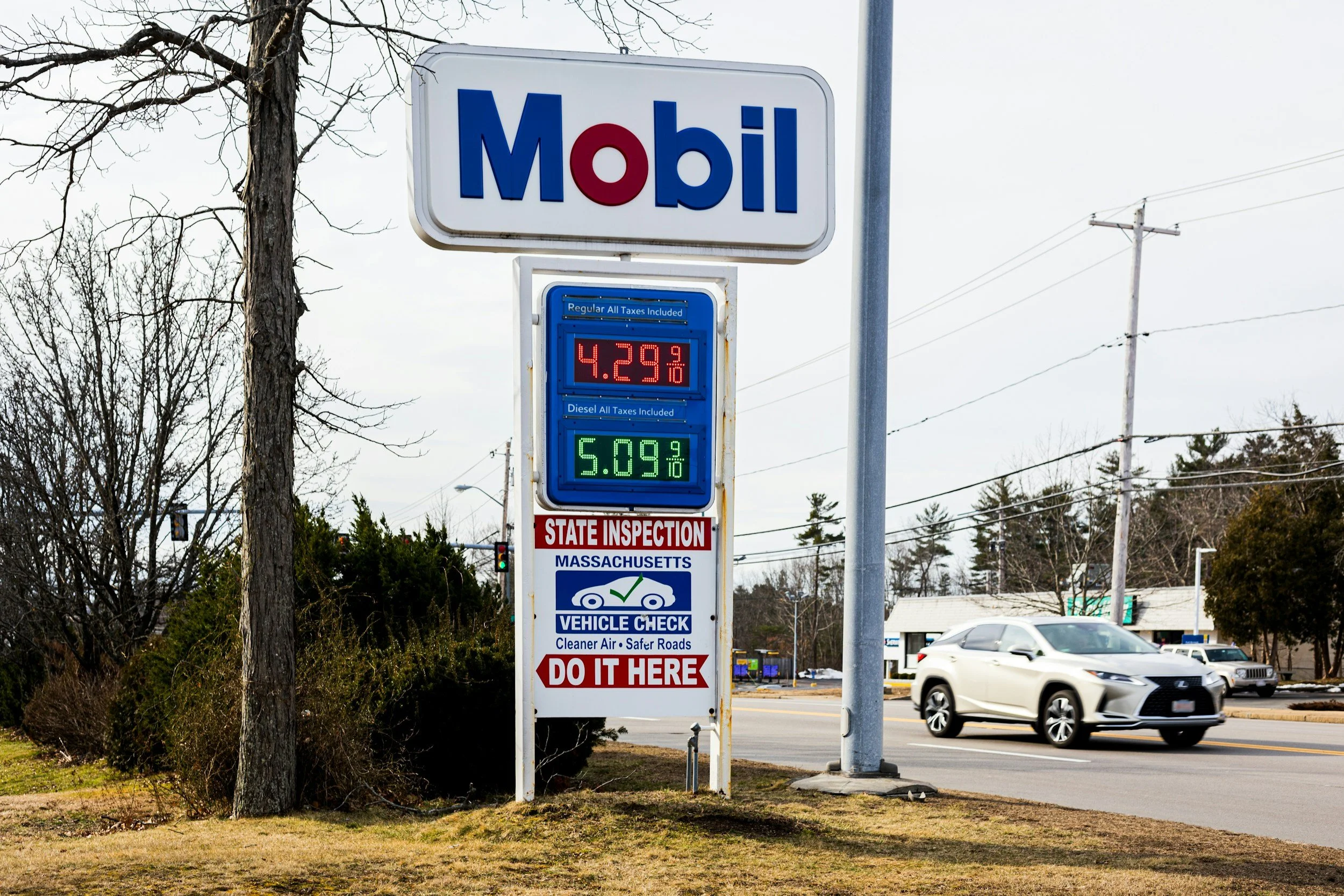
The headline number was largely driven by one powerful force: energy prices. Amid ongoing U.S. military engagement with Iran, energy costs surged 3.9% in May alone, pushing the 12-month energy inflation rate to a staggering 23.5%. Gas, electricity, and heating costs are now squeezing household budgets in ways not seen in years.
Here's where it gets more nuanced — and more relevant to real estate:
• Core CPI (stripping out food and energy) came in at 2.9% annually and just 0.2% for the month. Core inflation is actually cooling, suggesting that the broader economy isn't overheating — just getting hit by a specific energy shock.
• Shelter costs — the component most directly tied to housing — rose 3.4% year-over-year and only 0.3% for the month, compared to 0.6% in April. This significant slowdown in shelter inflation is encouraging news for the Federal Reserve.
• Food prices increased just 0.2% for the month, providing some relief to household budgets.
The bottom line: inflation is elevated, but the fire is largely in energy — not in the broader cost-of-living categories the Fed watches most closely.
How Inflation at 4.2% Impacts Mortgage Rates in Maryland
Here's the question every Maryland buyer and seller wants answered: what does this mean for mortgage rates?
The Federal Reserve meets on June 17 — just one week from today — for its next rate decision. According to market pricing as of this week, the Fed is expected to hold rates steady. That means the federal funds rate isn't going up or down at this meeting.
But it's more complicated than a simple hold. Markets are now pricing in the possibility of a rate increase in December if inflation doesn't moderate. New Fed Chair Kevin Warsh has struck an interesting tone — he believes that long-run productivity gains from artificial intelligence will eventually have a disinflationary effect on the economy, which is why he's signaling that rates can eventually move lower. But 'eventually' is the key word.
For mortgage rates, this means:
• Expect rates to remain elevated in the near term, with no relief before late 2026 at the earliest.
• A December rate hike scenario, if it materializes, could push mortgage rates higher by year-end.
• The silver lining: core inflation is cooling, giving the Fed room to eventually move.
PBS reported this week that 'U.S. mortgage rates are staying high — and the Federal Reserve can do little about it.' Long-term mortgage rates are tied more to the 10-year Treasury yield than the federal funds rate directly, and Treasury yields remain elevated amid geopolitical uncertainty.
For Maryland buyers in active markets like Baltimore, Ellicott City, and Annapolis, the calculus is clear: rates are high today, but there's no guaranteed path to meaningfully lower rates in the next six months. Waiting for a rate drop that may not come — or that may be followed by a rate increase — is a risky strategy.

What High Inflation Means for Maryland Home Prices
Inflation doesn't just affect your purchasing power at the grocery store — it has complex, real effects on home values. Here's how the current environment is playing out for Maryland real estate.
Real Assets as an Inflation Hedge
When inflation rises, real assets — including real estate — tend to hold value better than cash or bonds. Homeowners in Maryland are seeing their equity positions remain strong even as the broader economy feels the squeeze. If you own a home in Harford County, Montgomery County, or Howard County right now, your property is likely serving as one of the better inflation hedges in your portfolio.
Construction Costs Keep New Supply Tight
Energy price surges directly increase the cost of building materials, transportation, and labor. This keeps new home inventory limited, because builders face shrinking margins. Limited new supply in markets like Frederick, Gaithersburg, and Fallston means existing homes maintain their value — and sometimes appreciate — even in a higher-rate environment.
Renters Are Feeling the Squeeze
Shelter inflation at 3.4% annually is slowing, but it's still a real burden for renters. Monthly rent increases are compounding with food and energy inflation to push many renters toward homeownership as a way to lock in a fixed housing payment — even if that fixed payment comes with a higher mortgage rate than they'd hoped.

Should You Buy, Sell, or Wait? A Maryland Market Perspective
This is the question that matters most right now. Given inflation at a 3-year high, mortgage rates holding firm, and the Fed meeting on June 17, here's a grounded take on each position.
If You're Thinking About Buying in Maryland
The case for moving now is stronger than many buyers realize. Yes, mortgage rates are elevated. But consider this: home prices in most Maryland markets are not declining — limited inventory continues to provide a price floor. A rate hold or hike in December would make fall's mortgage rates potentially higher than today's. Every month you pay rent, that money is gone; a mortgage payment builds equity during an inflationary period. And refinancing into a lower rate becomes possible if and when the Fed cuts — but you can't go back and buy at today's prices once they rise.
The strategy: get pre-approved now, understand your true buying power, and target homes in communities where you plan to stay at least 5-7 years.
If You're Thinking About Selling in Maryland
Sellers are in a strong position. Limited inventory in most Maryland markets means qualified buyers are competing. Rising inflation may discourage some buyers from the market, but motivated buyers — including those fleeing rent increases — are still active. A well-priced, well-marketed home in Baltimore County, Harford County, or Anne Arundel County should see strong activity.
The strategy: price accurately for current market conditions, invest in presentation, and work with an agent who has a proven marketing system. This is not the market to overprice and wait.
If You're a Real Estate Investor
Inflation-driven rent increases, combined with limited new construction, create a favorable environment for landlords and real estate investors. Maryland markets like Dundalk, Pasadena, and Perry Hall offer accessible price points for investment properties that cash flow reasonably well even with higher acquisition costs.
What the FOMC Decision on June 17 Could Mean for Your Timeline
Circle June 17 on your calendar. The Federal Open Market Committee's next rate decision is exactly one week away, and it will send an important signal to markets — and to Maryland home buyers and sellers.
Here's what each scenario means for real estate:
Hold (Most Likely)
The Fed keeps rates where they are. Mortgage rates stay roughly flat. This is the base case and gives buyers a stable environment in which to move forward. If this is the outcome, waiting for rate relief makes even less sense — stability is the new baseline.
Surprise Hike or Hawkish Language
If the Fed signals it's considering hikes — particularly with the December hike already being priced in by some markets — mortgage rates could tick up. Buyers who are ready to move should consider getting rate locks in place before the decision is announced.
The practical takeaway for Maryland buyers: get your pre-approval done before June 17 so you have optionality regardless of the outcome.

Maryland's Real Estate Resilience in an Inflationary Environment
Despite elevated inflation, Maryland's housing market has proven remarkably resilient — and there are structural reasons for that.
Maryland's diverse economy — anchored by federal government employment, defense contracting, healthcare, education, and a growing tech sector — provides income stability that insulates the state's real estate market from the volatility seen in more cyclical markets. Baltimore County, Howard County, and Montgomery County consistently attract buyers because of quality school systems, proximity to employment centers in Baltimore and Washington D.C., and community infrastructure. These fundamentals don't evaporate during inflationary periods.
Additionally, Maryland's relatively tight land-use regulations limit how quickly new housing supply can be added, which historically supports home values even when the broader economy faces headwinds. For buyers concerned about overpaying in an uncertain environment, focusing on communities with these durable fundamentals — strong schools, employer proximity, and infrastructure investment — provides the best long-term protection. Markets like Ellicott City, Bel Air, and Columbia have demonstrated consistent value appreciation across multiple economic cycles.
Frequently Asked Questions About Inflation and Maryland Real Estate
Does inflation make home prices go up or down?
Inflation generally supports home prices because real assets tend to hold value better than cash during inflationary periods. Rising construction costs also limit new supply, keeping prices stable or rising. However, very high inflation can reduce buyer purchasing power, which may soften demand in some price ranges.
Will mortgage rates go down in 2026 in Maryland?
Based on current market data and Federal Reserve signals as of June 2026, mortgage rates are expected to stay elevated through at least year-end. Markets are pricing in a rate hold at the June 17 FOMC meeting and a possible hike in December. Rate relief is more likely in 2027 if inflation moderates.
How does the CPI affect mortgage rates?
The CPI measures inflation. When CPI rises, it often pushes bond yields higher, which directly increases mortgage rates. Mortgage lenders use Treasury yields as a benchmark. A 4.2% CPI reading like May 2026 typically signals to lenders that rates should stay high or move higher.
Is it a good time to buy a home in Maryland with inflation high?
For buyers with stable income and a long-term perspective, buying during inflationary periods can be wise — you lock in a fixed payment, build equity as a hedge against inflation, and avoid rising rents. The key is buying within your means and choosing a community with strong fundamentals.
What is core CPI and why does it matter for real estate?
Core CPI excludes food and energy prices, which are volatile. The Federal Reserve watches core CPI closely because it reflects underlying inflation trends. In May 2026, core CPI was 2.9% annually — calmer than headline inflation — suggesting the Fed may not need to aggressively hike rates beyond current levels.
How are Maryland home sellers affected by inflation?
Sellers generally benefit from inflation because it limits new construction (fewer competing listings) and supports existing home values. However, high mortgage rates reduce the buyer pool, so sellers should work with an experienced agent to price accurately and market effectively.
What is the Federal Reserve decision date in June 2026?
The Federal Open Market Committee (FOMC) meets on June 17, 2026. This is the next scheduled interest rate decision. Markets expect a rate hold given current inflation data, though the Fed's language about future hikes will be closely watched by mortgage markets.
How does the Iran war affect Maryland real estate?
The U.S.-Iran conflict has driven energy prices up 23.5% year-over-year as of May 2026, which is the primary driver of elevated inflation. For Maryland homeowners, this means higher utility and gas costs. For buyers, it means mortgage rates are likely to stay elevated longer than hoped, making affordability planning more important.
Should I wait for mortgage rates to drop before buying in Maryland?
Waiting for a rate drop involves real risk. There is no guarantee rates will fall in 2026, and a December Fed hike could push rates higher. Meanwhile, home prices in Maryland's strongest markets show no signs of declining. Most financial advisors suggest buying when you're financially ready and planning to stay at least 5-7 years.
What Maryland counties are best for buying a home during inflation?
Counties with diversified, stable employment bases — including Howard County, Anne Arundel County, Baltimore County, and Montgomery County — tend to hold value best during inflationary periods. These areas benefit from federal and private sector employment, strong schools, and limited new construction supply.

Why Work With Michael Frank at Frank Oliver Collective at eXp Realty?
Navigating Maryland real estate in an environment of elevated inflation, high mortgage rates, and economic uncertainty requires more than just finding a house. It requires a team with the experience, systems, and local knowledge to help you make decisions with confidence.
Michael Frank leads Frank Oliver Collective at eXp Realty, a Maryland-based real estate team that has helped more than 500 families buy, sell, and invest in Maryland real estate. With over 15 years of experience and a GRI® designation, Michael Frank brings a depth of market knowledge and professional training that translates directly into better outcomes for clients navigating today's complex market.
The team closes more than 100 transactions per year across Maryland — from Baltimore County and Harford County to Howard County, Anne Arundel County, Montgomery County, and beyond. With over 200 Google and Zillow reviews, Frank Oliver Collective's track record reflects a client-first approach built on clear communication, proven systems, and genuine care for the families they serve.
Whether you're a first-time buyer trying to understand how today's inflation data affects your pre-approval, a seller ready to take advantage of limited inventory, a veteran using a VA loan, or an investor looking to build a Maryland portfolio that hedges against inflation, Michael Frank at Frank Oliver Collective at eXp Realty has the expertise to guide your next step.
Ready to talk about your Maryland real estate goals?
• Website: frankoliverco.com
• Email: liv@frankoliverco.com
• Phone: (443) 222-9612

Conclusion
Inflation hitting a 3-year high is real news with real implications for Maryland home buyers and sellers. But it doesn't mean bad news for everyone. For buyers, it means the time to act is now — before a potential December rate hike and before home prices in Maryland's strongest markets move further out of reach. For sellers, limited inventory and inflation-resistant demand create a favorable environment for well-priced, well-marketed homes. For investors, Maryland's fundamentals remain sound.
The most important thing you can do today is get informed and get moving. Contact Michael Frank at Frank Oliver Collective at eXp Realty to start the conversation about your Maryland real estate goals.