
Most people assume the house hunt goes into hibernation once the leaves are down and the holiday lights go up. That assumption is exactly why buying a home in winter in Maryland can work in your favor. Fewer buyers are touring, sellers who list in November and December usually have a real reason to move, and the people on the other side of the table are more willing to talk terms.
This winter has an extra twist: rates above 7%, cooler buyer demand around Baltimore, and noticeably more inventory than a year ago. That makes the next few months an interesting buying window, if you know how to use it.
Below, we cover the current Maryland market, how to negotiate, what to check in a cold-weather inspection, how to time a holiday closing, and whether waiting for spring really makes sense.
Why Winter Is an Underrated Time to Buy a Home in Maryland

Real estate runs on a seasonal rhythm. Spring brings the most buyers, summer stays busy, and by Thanksgiving many casual shoppers have stepped away until the new year. That drop in competition is the biggest reason winter can be a smart time to buy: fewer bidding wars, less pressure to waive protections, and more of a seller's attention on price and terms.
Winter sellers also tend to be motivated sellers. People rarely list a home the week before Christmas for fun. They're relocating for a job, settling an estate, downsizing, closing on another home, or reacting to a life change. Some local agents describe December and January as the slowest months for sellers but note that buyer intent is higher, with fewer "just looking" visitors at open houses.
A few other quiet advantages of buying in the off-season:
More attention from your team. Lenders, title companies, inspectors, and agents typically have more bandwidth than in April or May.
Faster scheduling. Inspections, appraisals, and contractor quotes are often easier to book.
A real look at the house. You'll see how the home handles cold weather, how the heating system performs, and whether there are drafts, ice buildup, or drainage issues.
None of that guarantees a bargain. A well-priced home in a popular Howard County neighborhood can still draw multiple offers in January, but on average winter tilts the balance toward buyers.
What the Maryland Housing Market Looks Like Heading Into Winter 2026
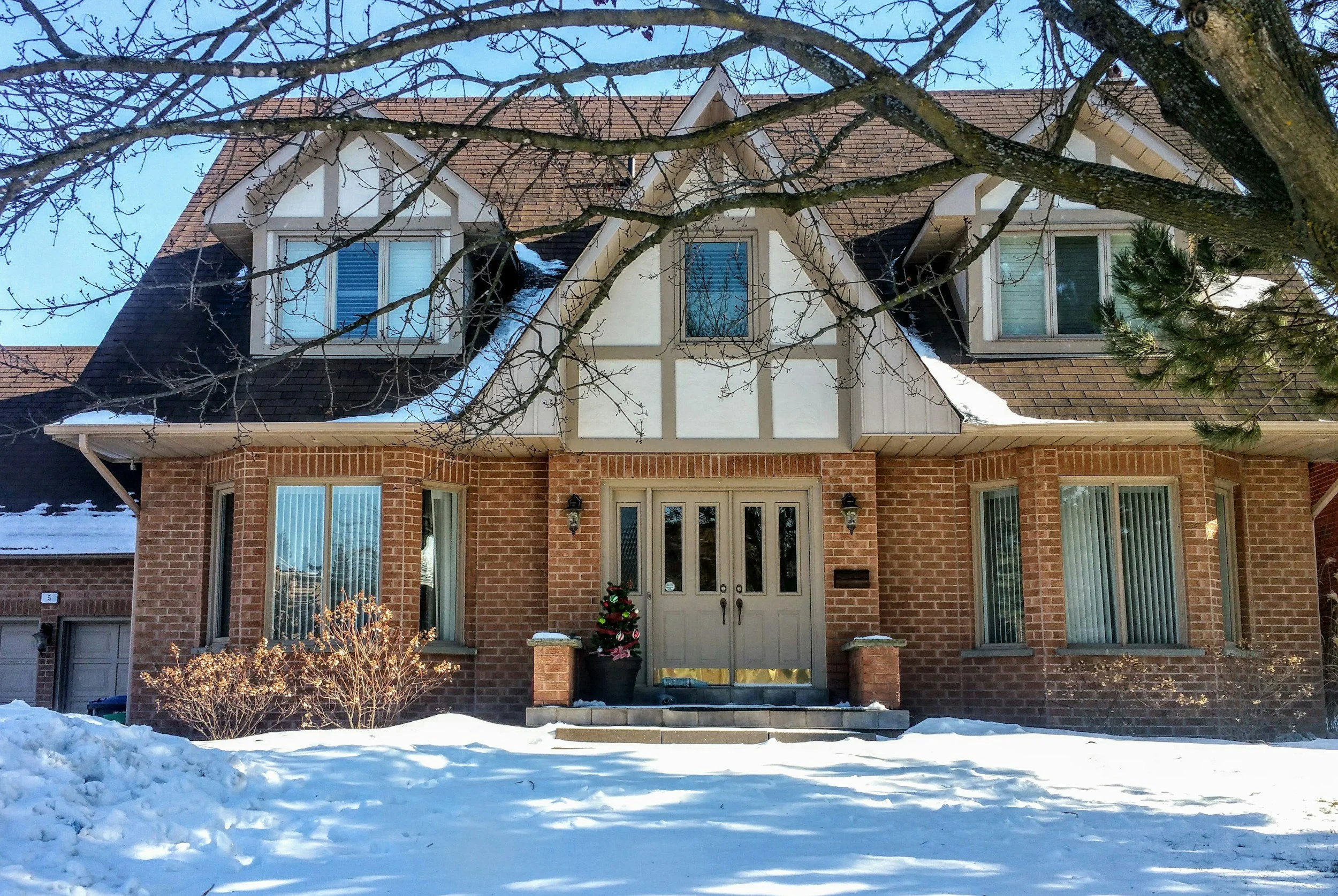
Before you make a winter move, it helps to know where the market stands right now. The short version: demand has cooled, inventory has grown, and rates are still elevated.
Mortgage rates. According to Freddie Mac's weekly survey, the average 30-year fixed rate was 7.24% as of October 29, 2026, down from 7.40% two weeks earlier but well above the roughly 6.17% buyers saw a year ago.
Buyer demand. Bright MLS's forward-looking Home Demand Index for the Baltimore metro area came in at 81 for October 2026, down from 83 in September and still in the "Slow" category. Some suburban markets are holding up better. Harford County, for example, registered a "Steady" 98.
Inventory and sales. Maryland REALTORS® data for September 2026 showed statewide inventory up 21.3% from a year earlier, with closed sales down 7.8% and pending sales down 16.5%. The statewide median sale price was about $432,000, essentially flat (+0.5%) year over year.
The national picture. Realtor.com's October 2026 housing report found active listings up 7.4% year over year to roughly 1.18 million homes, a median list price of $415,000 (the 12th straight month of year-over-year declines), and about 20.5% of listings with a price cut. New listings, however, fell 7.5% from last October, which means the homes already on the market are the ones buyers will be choosing from this winter.
What does that mean for you? There's more to choose from than a year ago, and homes sitting since late summer may have room to negotiate. Because higher rates make every dollar of price more expensive, the negotiation matters even more.
How to Negotiate When Buying a Home in Winter

Negotiating in a slower market is about more than offering less than list price. In many cases, the smartest wins come from terms rather than the headline number.
Look at days on market first
A home that hit the market in September and is still available in December tells a story. Ask your agent to pull the listing history: original list price, any price reductions, and whether it was withdrawn and relisted. A seller who has already cut the price once and is now carrying the house into the holidays is usually ready for a serious conversation.
Ask for seller concessions
With rates above 7%, a seller credit can be worth more than a price reduction. Common asks include:
Closing cost credits to reduce your cash needed at settlement.
A temporary or permanent rate buydown, such as a 2-1 buydown that lowers your payment for the first two years.
Repair credits for items found during inspection instead of asking the seller to coordinate contractors in January.
A home warranty covering major systems for the first year.
Depending on your loan, $10,000 used to buy down your rate can lower your payment more than a $10,000 price cut. Your lender can compare both.
Keep your protections
Lower competition means you usually don't need to waive your inspection, appraisal, or financing contingency, so don't.
Be flexible on timing
Many winter sellers care about the calendar as much as price. A quick close, a rent-back, or a date that matches their next move can make your offer stand out at no cost to you.
Winter Home Inspections: What Maryland Buyers Should Check

One genuine benefit of buying a home in winter in Maryland is that you see the house under stress. Cold, wet weather reveals problems that a sunny May showing can hide. A good inspector will adjust for the season, and you should know what to ask about.
Systems to focus on in cold weather
Heating system. Ask for the age, fuel type (gas, oil, electric heat pump), and service records. Many older Baltimore rowhomes and county homes still run on oil or older boilers.
Plumbing and pipes. Look for frozen or poorly insulated pipes in crawl spaces, exterior walls, and unheated basements.
Roof and gutters. Watch for ice dams, missing shingles, and gutters pulling away under the weight of ice and debris.
Windows and insulation. Drafts and condensation are easy to spot when it's cold outside.
Chimneys and fireplaces. Request a chimney inspection if you plan to use a wood-burning fireplace.
Drainage and grading. Winter rain and snowmelt show where water pools near the foundation.
What winter can hide
Snow cover can make it hard to evaluate a roof, driveway, deck, or yard. Air conditioning often can't be safely tested in very cold temperatures. If parts of the home can't be fully inspected, talk with your agent about options such as a repair credit, an extended inspection window, or a holdback at settlement. Radon testing is also worth considering, since closed-up winter homes can produce useful readings and several Maryland counties have elevated radon potential.
Timing a Winter Closing Around the Holidays and Year-End

The calendar is your friend and your challenge in winter. With the right planning, holiday timing rarely causes a problem.
Build in buffer days. Lenders, title companies, county recording offices, and appraisers often run reduced schedules around Thanksgiving, Christmas, and New Year's. A typical 30- to 45-day closing may need a few extra days. Avoid scheduling settlement for the last business day of December unless everyone has confirmed availability.
Think about prepaid interest. Closing near month-end generally means less prepaid interest due at settlement; closing early in the month means more cash up front but a later first payment.
Year-end tax questions. Some buyers want to close in December to capture deductible items like mortgage interest, points, or property taxes in the current tax year. Talk with a tax professional before rushing a closing for tax reasons.
Keep your finances steady. Don't open new credit or change jobs before closing; lenders re-verify both.
Military and relocation buyers. Families PCSing to Fort Meade, Aberdeen Proving Ground, Joint Base Andrews, or the Naval Academy often move in winter too, and a slower market can mean more choice.
Is Waiting Until Spring a Better Move?
It depends on what matters most to you. Spring will almost certainly bring more listings, which helps if you need something specific, like a single-level home in an Ellicott City school zone or a waterfront property near Annapolis. But spring also brings more buyers, and the best homes in Baltimore, Howard, and Anne Arundel counties tend to draw competition once the weather warms up.
Rates are the wild card. If they fall by spring, buyers will rush back and today's leverage could disappear. If they stay high, today's concessions may look attractive in hindsight. Many buyers purchase what they can comfortably afford now and consider refinancing later, though refinancing has its own costs and isn't guaranteed.
Here's a simple way to think about it:
Buy this winter if you're financially ready, have found a home that fits, and value negotiating power and less competition.
Wait for spring if you need more inventory to find the right home, your finances need a few more months, or your timeline is flexible.
Either way, getting pre-approved now costs you nothing and puts you in position to move quickly when the right home appears.
Frequently Asked Questions About Buying a Home in Winter in Maryland
Is winter a good time to buy a house in Maryland?
Winter can be a very good time to buy a house in Maryland. Fewer buyers are shopping between Thanksgiving and February, so there's usually less competition and more room to negotiate. Sellers who list in winter often have a real reason to move. The tradeoff is fewer listings to choose from, so it works best for buyers who are ready and flexible.
Are home prices lower in the winter?
Home prices often soften slightly in winter because demand drops, though it varies by neighborhood and price point. The bigger advantage is usually negotiating leverage rather than a lower list price. Winter buyers are more likely to secure closing cost credits, repair credits, or rate buydowns, which can save as much or more than a small price cut.
What are mortgage rates right now in Maryland?
As of late October 2026, the national average 30-year fixed mortgage rate was 7.24%, according to Freddie Mac's weekly survey. Maryland rates generally track the national average, but your actual rate depends on your credit score, down payment, loan type, and lender. Rates change weekly, so get a current quote from a lender before making an offer.
Can you get a home inspection in the winter?
Yes, home inspections happen year-round in Maryland. Winter inspections are especially good at revealing heating problems, drafts, frozen pipes, ice dams, and drainage issues. Snow can limit how much of the roof or exterior an inspector sees, and air conditioning may not be testable in very cold weather. Your agent can negotiate solutions for anything that can't be fully checked.
How long does it take to close on a house during the holidays?
Most Maryland home purchases close in about 30 to 45 days, and the holidays may add a few days because lenders, title companies, and county offices run reduced schedules. Plan extra buffer around Thanksgiving, Christmas, and New Year's, and confirm everyone's availability before setting a settlement date near the end of December.
What should I ask a seller for when buying in winter?
In a slower winter market, consider asking for closing cost credits, a mortgage rate buydown, repair credits after the inspection, or a one-year home warranty. Flexibility on your end, such as a quick close or a rent-back, can make those requests more appealing. Your agent can tell you which asks make sense based on the home's listing history.
Should I wait until spring to buy a house?
Wait until spring if you need more listings to choose from or your finances need more time. Buy in winter if you're pre-approved, have found a home you love, and want less competition and more negotiating power. Spring typically brings more homes but also more buyers, and nobody can reliably predict where mortgage rates will be by then.
Do sellers accept lower offers in December?
Many do. Sellers who are still on the market in December have often been listed for months, may have already cut their price, and frequently have a deadline such as a job move or a home they've already bought. A respectful, well-documented offer backed by recent comparable sales has a better chance of being accepted in December than in spring.
Why Work With Michael Frank at Frank Oliver Collective at eXp Realty?
A slower season rewards local knowledge: knowing which listings have room to negotiate and how to structure a winning offer when rates are above 7%.
Michael Frank, GRI®, leads Frank Oliver Collective at eXp Realty with more than 15 years of real estate experience. Under his leadership, the team has helped 500+ families buy and sell homes across Maryland, closes 100+ transactions per year, and has earned 300+ verified client reviews across Google, Zillow, Realtor.com, and FastExpert.
Michael Frank at Frank Oliver Collective at eXp Realty brings together a full team built around the client experience, including REALTORS® Christian Olson, Jerrod Pinkett, Marissa Mohammed, Donnell Jenkins, Brutus Camara-Coker, Terren Knox, and Nicholas Ertel, supported by a dedicated transaction coordinator and marketing team. The team serves first-time buyers, move-up and luxury buyers, veterans and military families, investors, and rightsizing homeowners.
Service areas include Baltimore City and Baltimore, Harford, Anne Arundel, Howard, Prince George's, Montgomery, Carroll, and Frederick counties, with deep experience in communities such as Bel Air, Columbia, Ellicott City, Annapolis, Catonsville, Perry Hall, and Frederick.
Ready to shop this winter? Reach out for a free buyer consultation and a custom list of homes with negotiating room in your target area.
Website: frankoliverco.com
Email: liv@frankoliverco.com
Phone: (443) 222-9612
Conclusion: Make the Off-Season Work for You
Buying a home in winter in Maryland isn't about waiting for a fire sale. It's about using a quieter market to your advantage. Competition is thinner, inventory is higher than a year ago, and motivated sellers are more open to credits and flexible terms, especially with mortgage rates above 7%. Pair that leverage with a thorough cold-weather inspection and a closing timeline that accounts for the holidays, and winter can be one of the smartest times of year to buy.
If you're ready to see what's out there, or just want to know whether now is the right time for you, Michael Frank at Frank Oliver Collective at eXp Realty is here to help. Visit frankoliverco.com or email liv@frankoliverco.com to start the conversation.