You finally have the keys, the boxes are (mostly) unpacked, and somebody in the family group chat has already said it: "Thanksgiving's at your new place this year!" Hosting Thanksgiving in a new home is one of the best parts of becoming a homeowner, and also one of the most nerve-wracking. You're still figuring out which switch turns on the porch light, and now you need to seat 12 people and roast a 16-pound turkey in an oven you've used twice.
The good news: a little planning goes a long way. Whether you bought a Baltimore rowhome, a townhouse in Columbia, or a colonial in Bel Air, this guide covers how to measure your real capacity, set up a layout that flows, manage a new kitchen, keep guests and neighbors happy, and protect the investment you just made.
Thanksgiving is Thursday, November 26. Let's get you ready.
Why So Many New Homeowners Are Hosting Thanksgiving This Year
Thanksgiving remains one of the biggest gathering weeks of the year. AAA projects 81.5 million Americans will travel at least 50 miles from home between Tuesday, November 24 and Monday, November 30, a hair below last year's 81.6 million, which marks the first dip in three years. AAA and local reports point to higher travel costs as a factor, and nearly 90% of travelers are expected to drive. When fewer people fly across the country, more families gather closer to home, and that often means at whichever relative most recently bought a house.
Cooking at home is still the value play. The American Farm Bureau Federation's 2026 survey puts a classic Thanksgiving dinner for 10 at $58.63, or about $5.86 per person, up roughly 6% from 2025 but still below the 2022 record of $64.05. Turkey prices rose to about $1.48 per pound, one of the main drivers.
There's also a milestone element. NAR's 2026 Profile of Home Buyers and Sellers found that first-time buyers made up 22% of purchases, with a median age of 40. Many of these buyers waited years for their own place, and the first holiday hosted there carries real meaning.
How Many Guests Can Your New Home Really Fit?
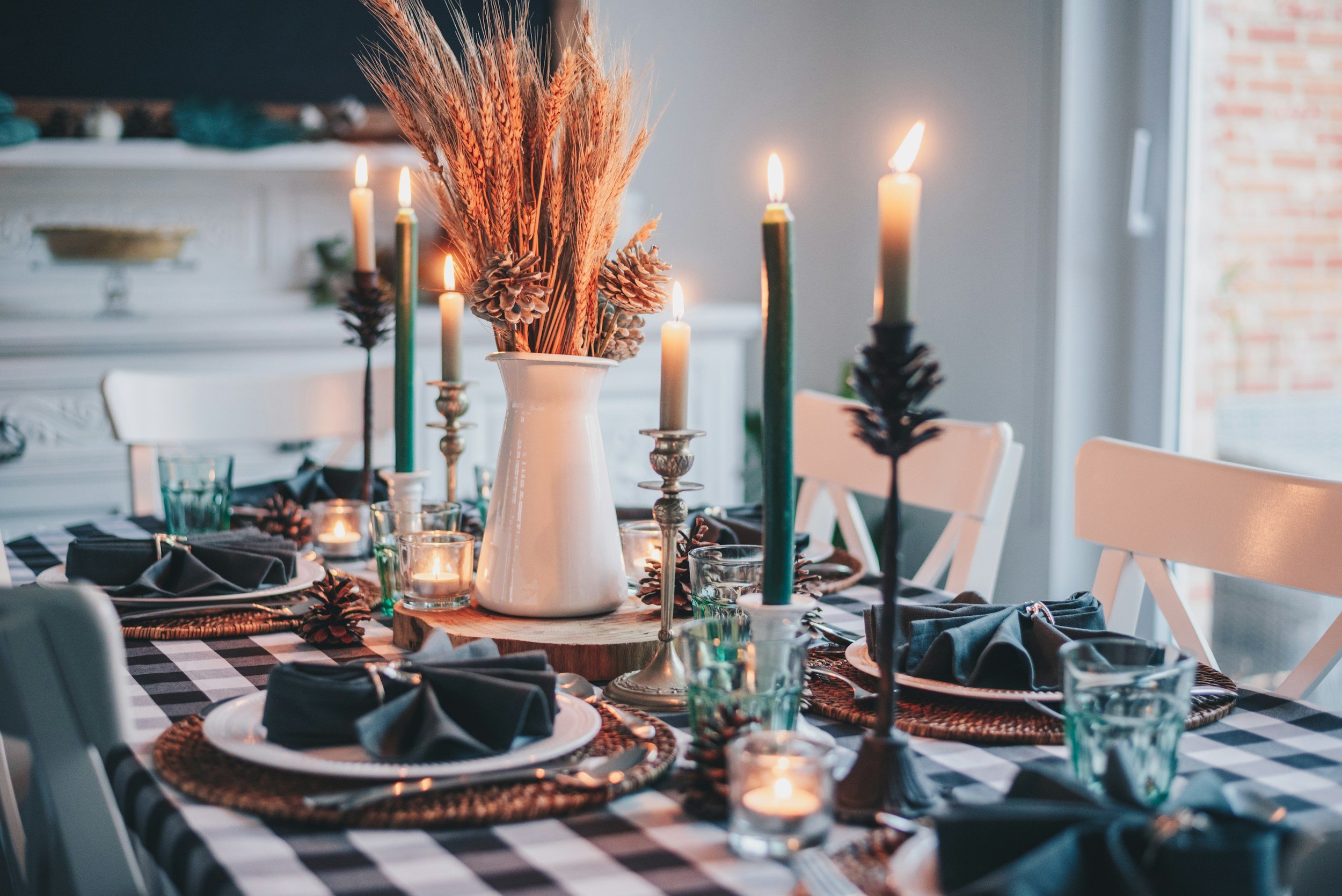
Before you say yes to the whole extended family, do a little space math. Designers commonly use these rules of thumb:
24 inches of table width per seated guest (30 inches if you want elbow room)
About 36 inches of clearance behind each chair so people can get up and squeeze past
About 42–48 inches for main walkways where people carry hot dishes
A standard 6-foot rectangular table seats six comfortably, eight if you're friendly. Add a leaf or a folding table on the end and you can reach 10–12, as long as the room is long enough to keep that 36-inch buffer around the edges.
Do a "tape test" this weekend
Mark the outline of your extended table on the floor with painter's tape, then walk from the kitchen to the table carrying an empty tray. If you're turning sideways, so will everyone else.
Think in zones, not just seats
Capacity isn't only about the dinner table. A home that seats 10 at dinner can often host 16 or more for the day if you spread activity across the kitchen, living room, finished basement, and deck.
Small-Space Thanksgiving Layout Tips for Rowhomes, Condos, and Townhomes

Much of the Baltimore area is built for cozy, not cavernous. Many city rowhomes are only 12 to 16 feet wide, and many suburban townhomes trade dining room size for an open kitchen.
Move the buffet out of the dining room
Serving family-style on a narrow table eats up space you need for plates. Set up a buffet on the kitchen island or counter instead, and let guests serve themselves before they sit. Your table stays clear, and traffic flows in one direction.
Use every level of the house
A finished basement is your secret weapon. Set up the TV, a kids' table, or the dessert and coffee station downstairs to pull people away from the kitchen. In a three-story townhome, put coats and bags on the top floor so the main level stays open.
Clear the runway
Temporarily move an accent chair, ottoman, or side table into a bedroom. Removing one or two pieces can open up several feet of walking space.
Rent, borrow, and add a drink station
Rent or borrow folding tables and chairs instead of buying furniture you'll use once a year. And set up a self-serve drink station in the living room to pull people out of the cook's way.
Mastering a Kitchen You're Still Getting to Know
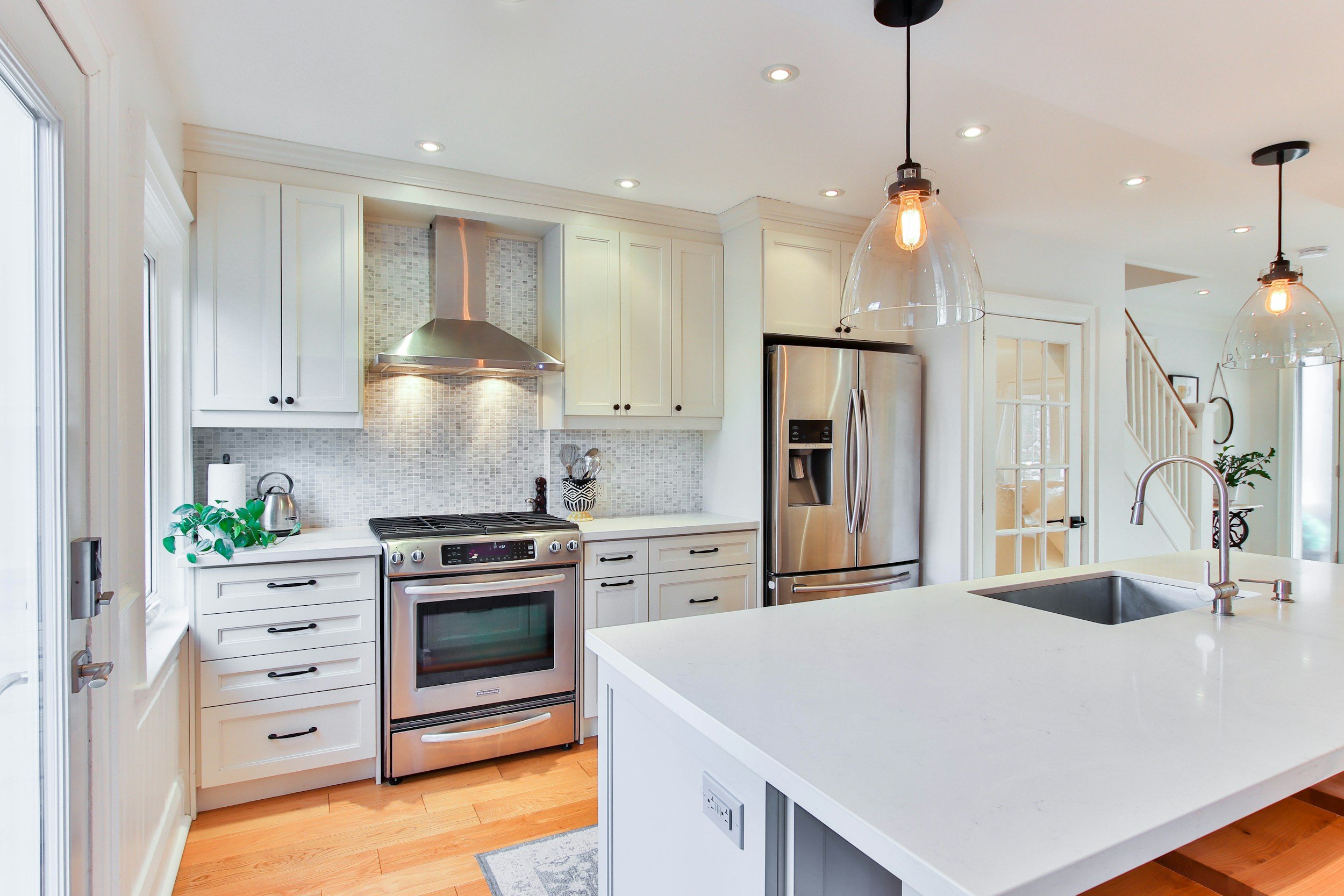
Every oven has a personality, and you haven't met yours yet. Don't assume your new kitchen will behave like your old one.
Test-drive the oven this weekend
Roast a chicken or bake a sheet pan dinner before the big day. An inexpensive oven thermometer will tell you whether yours runs hot or cold. Many ovens drift 10 to 25 degrees from the setting, which can mean the difference between a juicy turkey and a dry one.
Know your electrical panel
Older homes may have kitchen circuits that weren't built for a slow cooker, roaster, coffee maker, and mixer running at once. Find your breaker panel, label the kitchen circuits, and spread appliances across outlets.
Plan around one oven
Most homes have one oven, and the turkey owns it for hours. Build your menu around stovetop sides, slow-cooker dishes, make-ahead casseroles you can reheat while the turkey rests, and guests who bring a dish already cooked.
Respect the fire risk
Thanksgiving is the leading day of the year for home cooking fires. According to the National Fire Protection Association, an estimated 1,139 home cooking fires were reported on Thanksgiving Day 2024, a 321% increase over the daily average. Before guests arrive:
Test every smoke alarm (new-to-you homes often have old or missing batteries)
Keep a kitchen-rated fire extinguisher within reach and know how to use it
Never fry a turkey indoors, in a garage, or on a wooden deck
Parking, Overnight Guests, and Being a Good New Neighbor
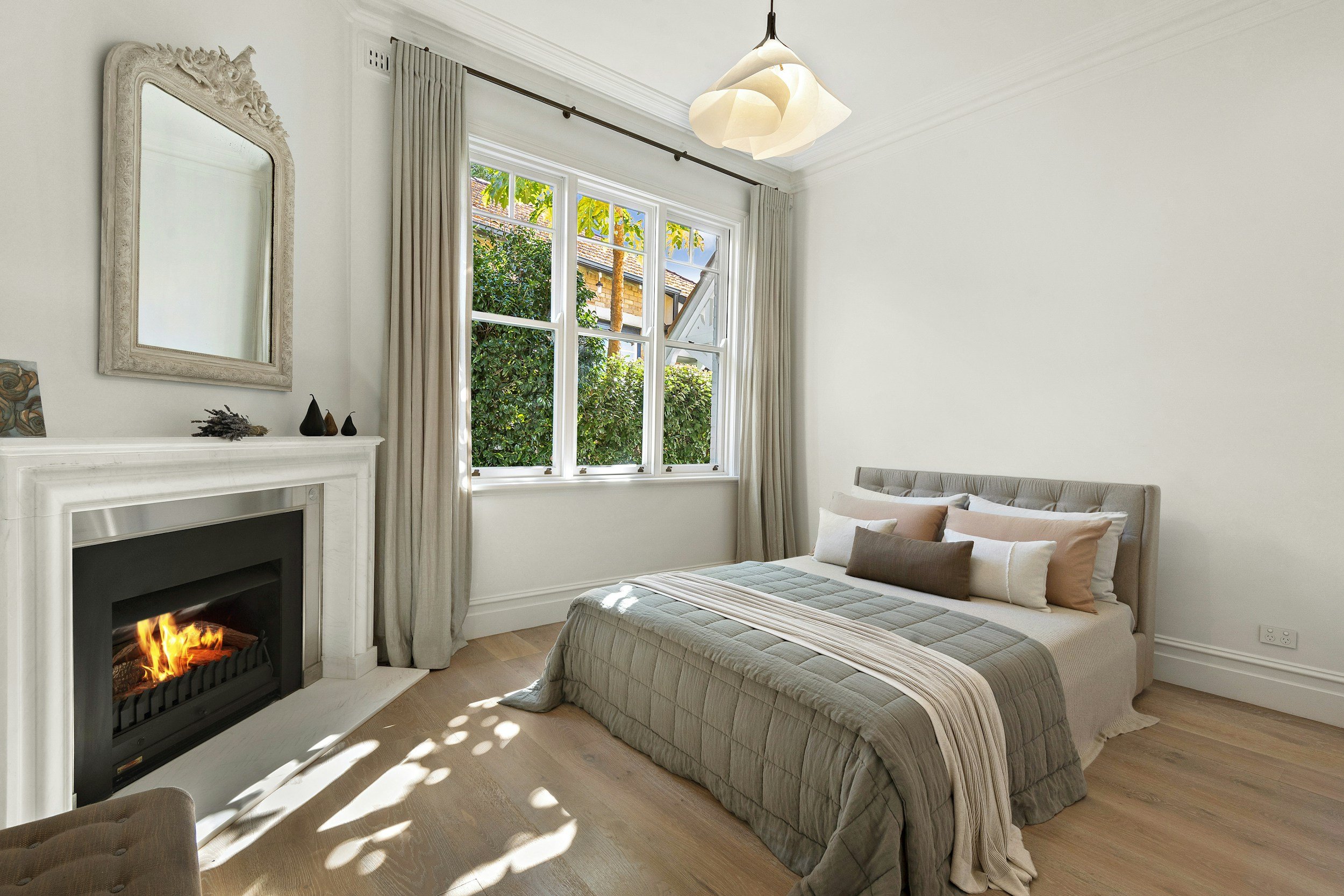
Plan the parking
In Baltimore City neighborhoods like Canton, Hampden, and Federal Hill, street parking is tight and some blocks use residential permit parking. Check whether your block has restrictions and whether the city offers visitor passes for your zone. In suburban communities, review your HOA rules on street or overflow parking. Encourage carpooling, and let guests know ahead of time where to park.
Give your neighbors a heads-up
A quick note ("We're hosting family Thursday, so the street might be busy") goes a long way. Invite them over for pie if you're feeling brave.
Prepare for overnight guests
If family is staying over, take a few minutes to make your guest space work:
Put spare towels, a phone charger, and the Wi-Fi password where guests can find them
Show guests which bathroom to use and how the shower works (every house is different)
Write down your thermostat preferences so nobody is cranking the heat at 2 a.m.
Mind the trash
Thanksgiving produces a mountain of garbage and recycling. Look up your holiday collection schedule now, since many Maryland jurisdictions shift pickup days during holiday weeks.
Protecting Your Investment During the Holiday Rush
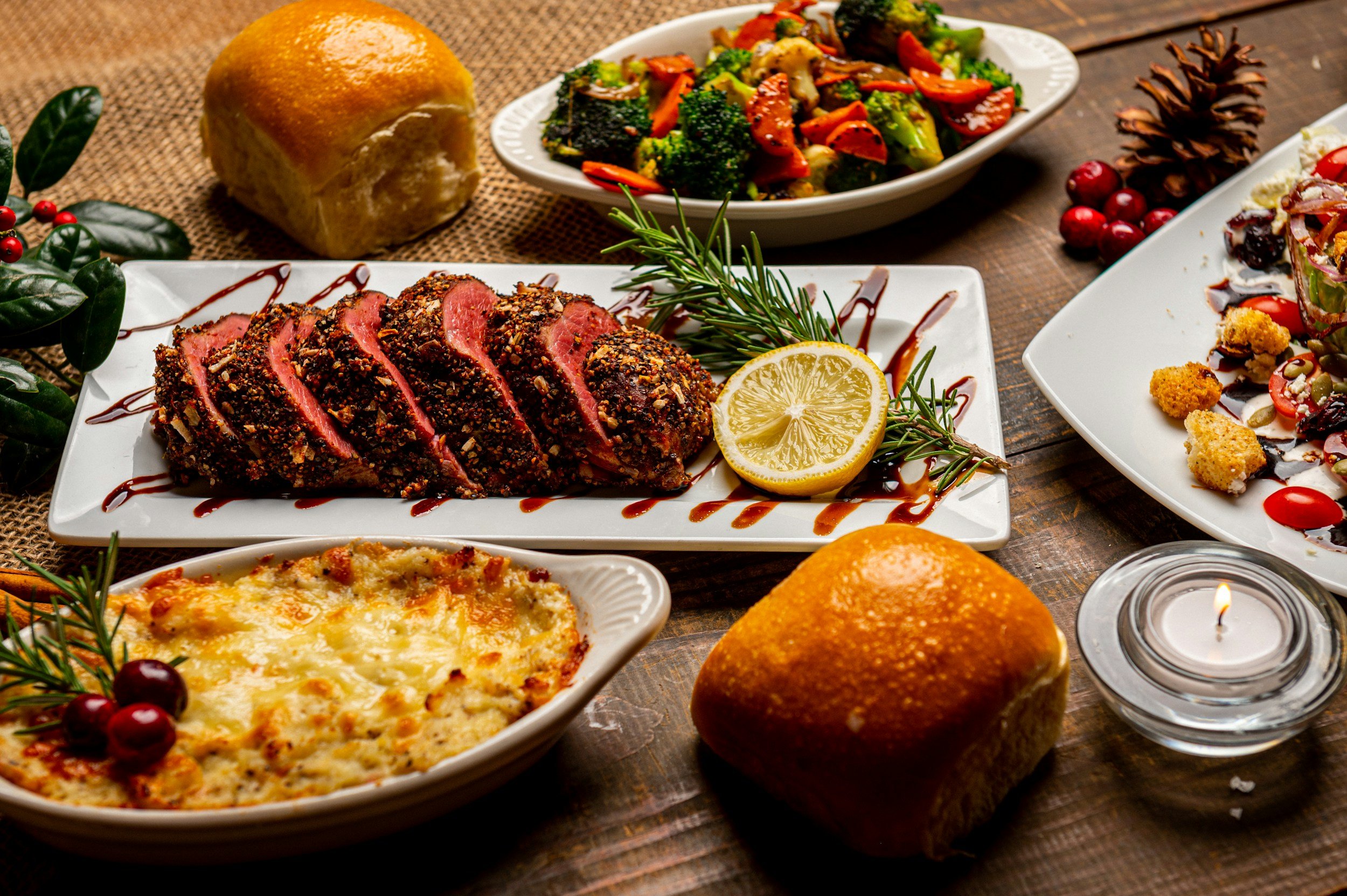
You just made the biggest purchase of your life. A crowd of 15, a few dropped dishes, and three days of leftovers can do real damage if you're not careful.
Go easy on the plumbing
Plumbers often call the day after Thanksgiving one of their busiest days of the year, thanks to grease, peels, and scraps going down drains. Pour cooled grease into a can and toss it, and scrape plates into the trash. If your home is on a septic system, which is common in parts of Harford, Carroll, and Frederick counties, be extra careful about what goes down the drain and avoid running multiple loads of laundry and dishes back to back.
Protect new or refinished floors
Put felt pads under folding chairs and tables
Lay down a washable runner or rug along the main walkway
Set up a boot tray and mat at each entry, especially if it rains
Know where your shutoffs are
Before the big day, find your main water shutoff and the shutoff valves under each sink and toilet. If something overflows during the party, you'll want to stop it in seconds, not minutes.
What Hosting Teaches You About Your Home (and Your Next One)
There's no better stress test for a house than a holiday. By the time the leftovers are packed, you'll know where people gathered, where traffic jammed, and whether the kitchen kept up.
For new homeowners
Keep a short notes list after Thanksgiving. Maybe you'd add an outlet on the island, swap the dining fixture for something brighter, or finally finish the basement. These are often the smartest early upgrades because they're based on how you actually live.
For buyers shopping now
If you're house hunting this winter, picture a holiday in every home you tour. Look for an open path from kitchen to dining area, a second gathering space like a family room or finished basement, enough parking, and a powder room on the main level. Our recent post on buying a home in winter in Maryland is a good next read.
For sellers planning a spring listing
Few buyer feelings are stronger than "I can see us hosting here." When it's time to list, staging that highlights a set dining table, open kitchen flow, and flexible gathering space helps buyers picture their own traditions.
Frequently Asked Questions About Hosting Thanksgiving in a New Home
How many people can I fit at a Thanksgiving table?
Plan on about 24 inches of table width per guest, or 30 inches for extra comfort. A standard 6-foot table seats six to eight people. You also need roughly 36 inches of clearance behind each chair. Measure your room and mark the table outline with painter's tape to see what really fits.
How do I host Thanksgiving in a small house or rowhome?
Move the buffet to the kitchen counter, use a finished basement or second living area for the TV and kids, and temporarily store extra furniture in a bedroom. Rent or borrow folding tables and chairs instead of buying them. The goal is a clear path from the kitchen to the table.
Should I test my oven before Thanksgiving in a new home?
Yes. Cook a test meal the weekend before and use an inexpensive oven thermometer to check accuracy. Many ovens run 10 to 25 degrees off the setting. Knowing whether yours runs hot or cold helps you time the turkey correctly and avoid an undercooked or dried-out bird.
How much does Thanksgiving dinner cost in 2026?
The American Farm Bureau Federation's 2026 survey found a classic Thanksgiving dinner for 10 costs an average of $58.63, or about $5.86 per person. That's up about 6% from 2025 but below the 2022 record of $64.05. Turkey averaged about $1.48 per pound.
Is Thanksgiving the most common day for kitchen fires?
Yes. The National Fire Protection Association reports Thanksgiving is the leading day of the year for U.S. home cooking fires, with an estimated 1,139 reported on Thanksgiving Day 2024, a 321% jump over the daily average. Test your smoke alarms, keep an extinguisher nearby, and never fry a turkey indoors.
How do I avoid plumbing problems on Thanksgiving?
Never pour grease, fat, or oil down the drain. Let it cool, pour it into a can, and throw it away. Scrape plates into the trash, run the disposal with plenty of cold water, and avoid stacking heavy dishwasher and laundry loads back to back, especially if your home uses a septic system.
Where should guests park when I host in Baltimore City?
Check whether your block has residential permit parking and whether visitor passes are available for your zone. Encourage carpooling, share parking instructions ahead of time, and give neighbors a friendly heads-up. In suburban communities, review your HOA rules on street and overflow parking.
What should I look for in a home if I love hosting holidays?
Look for an open path between the kitchen and dining area, a second gathering space like a family room or finished basement, a main-level powder room, plenty of counter space, and good parking. Ask your agent to point out these features during showings so you can picture your own traditions there.
Why Work With Michael Frank at Frank Oliver Collective at eXp Realty?
Every great holiday memory starts with the right home, and finding it takes a team that knows Maryland neighborhoods block by block.
Michael Frank, GRI®, leads the team with more than 15 years of real estate experience. Under his leadership, Frank Oliver Collective has helped more than 500 families and closes over 100 transactions per year, backed by hundreds of verified five-star client reviews across Google, Zillow, and other platforms.
The team brings together specialists for every stage of the journey:
Christian Olson, Sales Specialist
Jerrod Pinkett, Marissa Mohammed, Donnell Jenkins, Brutus Camara-Coker, Terren Knox, and Nicholas Ertel, REALTORS® serving buyers and sellers across the region
Jon Ritmiller, Transaction Coordinator, keeping every closing on track
Liv Skofteland, Marketing Director, behind the listing marketing that helps homes stand out
Frank Oliver Collective serves Baltimore, Harford, Anne Arundel, Howard, Prince George's, Montgomery, Carroll, and Frederick counties, working with first-time buyers, growing families, veterans, rightsizing homeowners, investors, and luxury clients.
Contact Frank Oliver Collective at eXp Realty: visit frankoliverco.com, email liv@frankoliverco.com, or call (443) 222-9612.
Conclusion: Make Your New House Feel Like Home This Thanksgiving
Hosting Thanksgiving in a new home doesn't require a mansion. It requires a plan. Measure your real capacity and think in zones, not just seats. Test-drive your kitchen before the big day and take fire safety seriously. Protect your floors and plumbing so your first holiday doesn't turn into your first repair bill.
Most of all, enjoy it. Imperfect is perfectly fine.
If this year's gathering has you dreaming about a bigger dining room or a basement built for game day, reach out to Michael Frank at Frank Oliver Collective at eXp Realty. We'd love to help you find the place where your next tradition begins. Happy Thanksgiving from all of us.